
Label Verification: How to Spot Safe, Approved Medications
When you pick up a prescription or buy a supplement, label verification, the process of checking a drug’s packaging and printed information to confirm it meets regulatory standards. Also known as medication authenticity check, it’s the first line of defense against dangerous fakes, mislabeled products, and expired or contaminated drugs. It’s not just for pharmacists—every patient needs to know what to look for. A real drug label doesn’t just list ingredients; it tells you who made it, when it was approved, what warnings apply, and how to use it safely.
Label verification ties directly to FDA drug label, the official document that contains all legally required information about a medication, including dosing, side effects, and boxed warnings. If the label on your bottle doesn’t match the FDA’s approved version, something’s wrong. That’s why the FDA uses tools like the Green List to track approved manufacturers—and why import alerts block drugs from unverified sources. You can’t trust a label that skips the Boxed Warning, hides the lot number, or uses blurry text. Counterfeit drugs don’t just fail to work—they can poison you. A fake version of a diabetes pill might contain no active ingredient, or worse, toxic chemicals like lead or rat poison.
It’s not just about the text. The physical label matters too. Is the font crisp? Are the colors consistent? Does the bottle have a tamper-evident seal? Does the barcode scan correctly? These details are part of medication safety, the broader system of practices and checks designed to prevent errors and harm from drugs. Hospitals use barcode scanning at the bedside. Pharmacies run serial numbers through databases. You can do your part by comparing your label to the one on the manufacturer’s website or calling the FDA’s hotline if something looks off.
And don’t forget drug approval, the official process where regulators like the FDA review clinical data to confirm a drug is safe and effective before it hits the market. A drug without proper approval might be sold as "dietary support" or "herbal remedy" to dodge rules. That’s how unregulated GLP-1 imports or untested weight-loss pills slip through. Label verification is your tool to spot these loopholes. If the label says "not approved by the FDA," walk away.
Real label verification isn’t complicated. It’s simple: check the manufacturer, match the info online, spot the red flags, and trust your gut. You’ve got a right to know what’s in your medicine—and the power to demand it. Below, you’ll find real cases where label mistakes led to harm, how to decode confusing FDA warnings, and how to report suspicious products before someone else gets hurt.
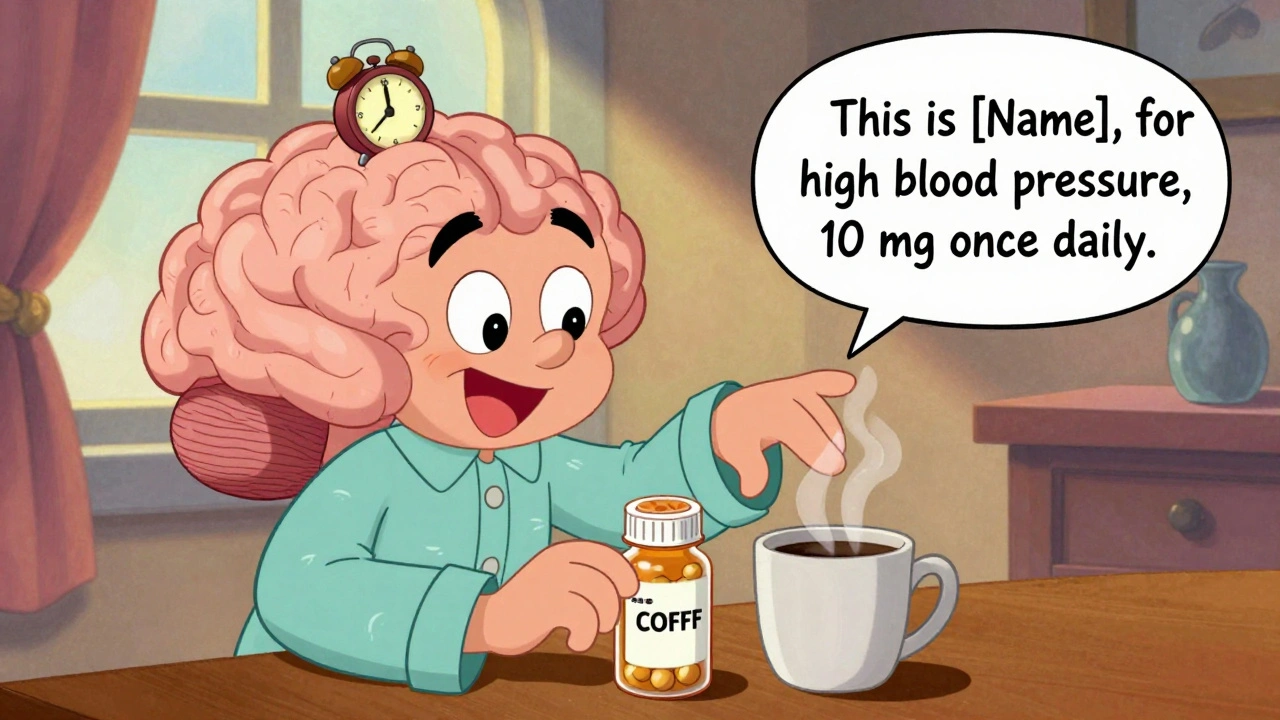
How to Train Yourself to Check Labels Before Every Dose: A Simple Habit That Saves Lives
Haig Sandavol Dec 1 13Checking your medication label before every dose is the simplest, most effective way to prevent deadly errors. Learn how to turn this five-second habit into a lifesaving routine.
More Detail