
Prevent Medication Errors: Stop Dangerous Mistakes Before They Happen
When you take a pill, you expect it to help—not hurt. But medication errors, mistakes in prescribing, dispensing, or taking drugs that lead to harm. Also known as drug errors, they’re one of the most common causes of preventable injury in healthcare. These aren’t rare accidents. They happen every day because of simple oversights: a pill that looks like another, a label you didn’t read, a drug stored where a child can reach it. The good news? Most of them can be stopped—with the right knowledge.
One of the biggest hidden dangers is look-alike, sound-alike (LASA) drugs, medications with names or packaging so similar they’re easily confused. Think of Hydralazine and Hydroxyzine, or Glipizide and Glyburide. One’s for high blood pressure, the other for allergies. Mix them up, and you could end up in the ER. Hospitals use tall-man lettering and barcode scans to fight this, but you need to be just as careful at home. Always double-check the name on the bottle, even if it’s the same pharmacy. And don’t assume your doctor or pharmacist caught it—they’re human too.
Then there’s the FDA drug label, the official guide that tells you exactly how to use a medicine safely. Most people glance at the dosage and ignore the rest. But the Boxed Warning? The Recent Major Changes? Those are your red flags. They tell you about heart risks, deadly interactions, or new side effects. If you don’t know how to read it, you’re flying blind. You don’t need a medical degree—just five minutes with the label and a willingness to ask questions.
Storage matters too. A pill left on the counter isn’t just a risk for kids—it’s a risk for your whole household. Roommates, grandparents, even pets can grab the wrong thing. medication storage, how and where you keep your drugs at home. A locked cabinet, away from heat and moisture, isn’t a luxury. It’s a necessity. And when you throw out old meds? Don’t just toss the bottle. The label still has your name, your doctor’s info, your diagnosis. That’s private data. You need to scratch it out or shred the bottle.
And don’t forget: not every bad reaction is an allergy. drug side effects, expected, non-allergic reactions like dizziness or nausea. are common. But if you call them allergies, you might be locked out of treatments that could actually help you. Keep a simple log: when you took the drug, what you felt, how long it lasted. That’s your best tool to tell your doctor what’s really going on.
These aren’t abstract rules. They’re real, everyday actions that stop real harm. You don’t need to be a doctor to prevent a mistake—you just need to pay attention. Below, you’ll find clear, practical guides on exactly how to do that: how to read labels, spot confusing drug names, store meds safely, and recognize when something’s wrong. No fluff. Just what works.
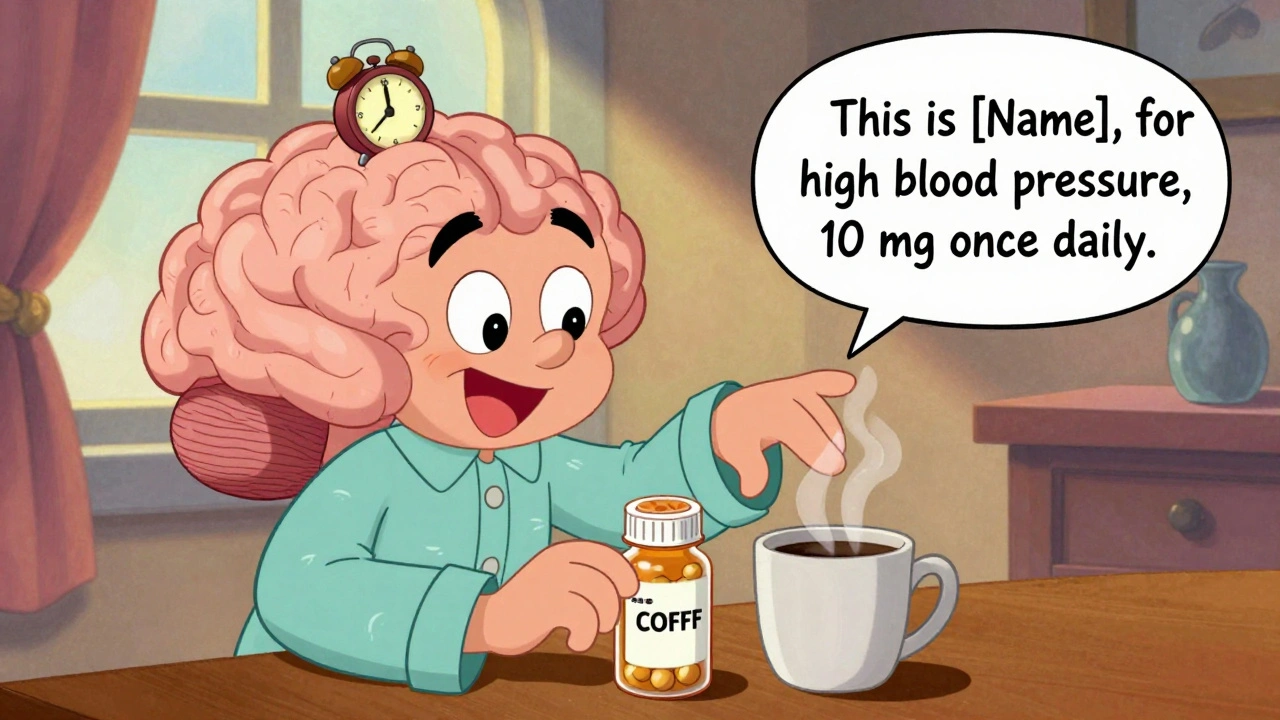
How to Train Yourself to Check Labels Before Every Dose: A Simple Habit That Saves Lives
Haig Sandavol Dec 1 13Checking your medication label before every dose is the simplest, most effective way to prevent deadly errors. Learn how to turn this five-second habit into a lifesaving routine.
More Detail