
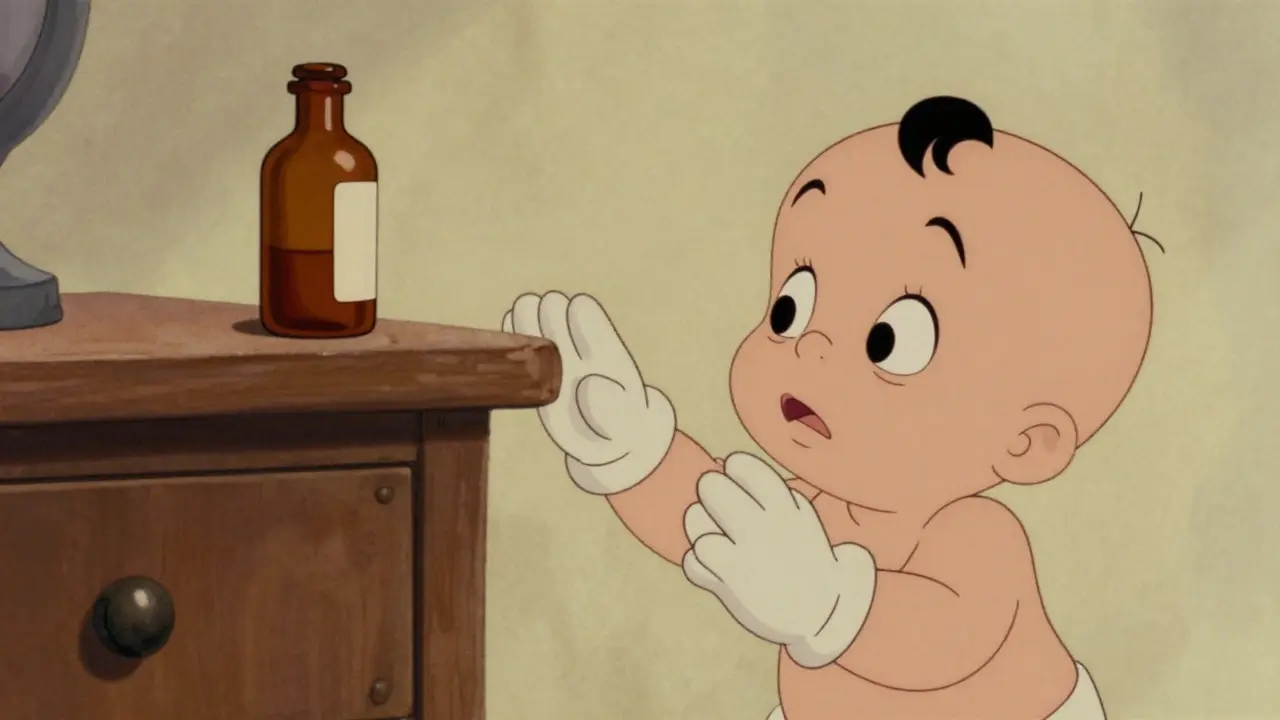
Imagine a scenario where a curious toddler or a visiting teenager finds a bottle of pain medication left on a nightstand. It takes only a few seconds of curiosity for a routine prescription to turn into a life-threatening emergency. In the U.S., we've seen this happen far too often; nearly 60,000 children end up in the emergency room every year due to accidental poisonings. The scary part? Most of these accidents happen in the home, using medications that were simply left in the wrong place. Keeping high-risk medication storage is not just about tidiness-it's a critical safety barrier that can literally save a life.
Quick Safety Checklist
- Keep all drugs in their original pharmacy containers.
- Store medications in a locked box or cabinet.
- Place storage units at least 4 feet off the ground.
- Keep a daily log of pill counts for controlled substances.
- Use a certified drug take-back site for expired meds.
Why Your Nightstand Isn't Safe Enough
Many of us keep our pills in the bathroom cabinet or on the bedside table for convenience. However, these are the most dangerous spots. Data shows that over 50% of people who misuse opioids get them from friends or family members because the drugs were unsecured. When you leave a bottle of oxycodone or fentanyl patches out in the open, you aren't just managing your pain-you're creating a risk for everyone in your house.
The goal here is to prevent "diversion," which is just a fancy way of saying someone taking a drug they weren't prescribed. According to the CDC Centers for Disease Control and Prevention, locking up these medications is the most effective way to stop accidental overdoses. If a child can reach a counter, they can reach your medication. Since most kids can reach up to 36 inches high, your storage needs to be significantly higher-at least 4 feet-to be truly safe.
Choosing the Right Storage Solution
Not all "lockboxes" are created equal. A plastic bin with a flimsy latch won't stop a determined teenager or a curious child. For real security, look for hardware that meets ANSI Grade 2 American National Standards Institute standards for physical security. This ensures the box can withstand forced entry attempts for at least 10 minutes, giving you time to intervene.
Depending on your budget and needs, you have a few main options. Some people prefer traditional lockboxes, which are affordable and effective. Others use smart dispensers, which are great for people who struggle to remember their doses but are more expensive. For those with arthritis or mobility issues, look for boxes with emergency release mechanisms or digital codes so you aren't fighting with a tiny key during a health crisis.
| Method | Security Level | Best For | Estimated Cost |
|---|---|---|---|
| Original Child-Resistant Bottle | Low to Medium | Low-risk meds / Short-term use | Free (with prescription) |
| Traditional Lockbox | High | General home safety & diversion prevention | $15 - $150 |
| Smart Pill Dispenser | Very High | Adherence tracking & elderly care | $99 - $149+ |
| Wall-Mounted Safe (ANSI Grade 2) | Maximum | High-risk opioids & long-term storage | $100 - $300 |
The Gold Standard Storage Protocol
Setting up a secure system takes about an hour of your time, but the payoff is peace of mind. Start by doing a full inventory. Go through every cabinet and drawer to see what you actually have. You'd be surprised how many old prescriptions from five years ago are still lurking in the back of a cupboard.
Once you have your inventory, make sure everything is in its FDA Food and Drug Administration approved original container. Transferring pills to a generic plastic organizer might seem easier, but it removes critical dosage information and eliminates the child-resistant cap. The Poison Prevention Packaging Act mandates these caps for a reason; they reduce accidental ingestions by about 40% compared to open containers.
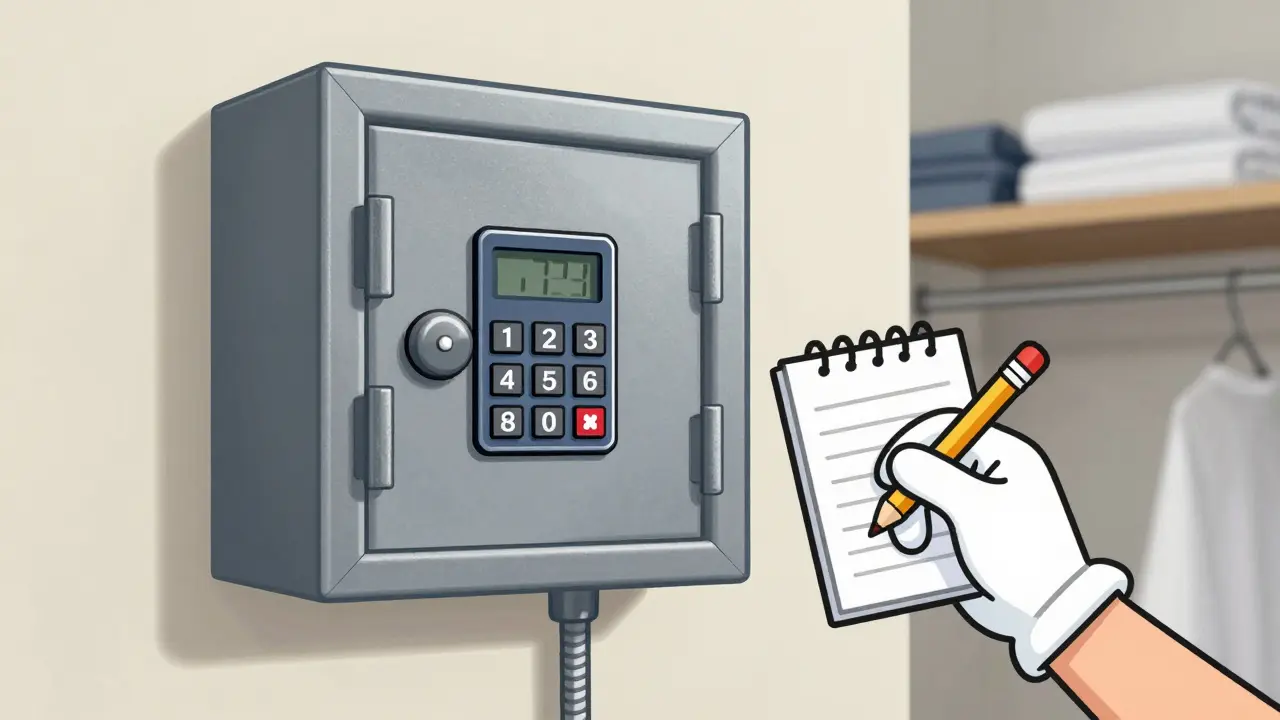
After securing the bottles, place them in your lockbox. If you're managing a high-volume prescription, keep a daily log. This is a simple notebook where you record the date and the number of pills remaining. For example: "January 15, 8:00 AM: 42 tablets remaining." This helps you spot if any medication has gone missing immediately, rather than discovering it's gone two weeks later when you run out early.
Environmental Factors: Temperature and Light
Security isn't just about locks; it's about keeping the medicine effective. If you store your lockbox in a hot attic or a damp bathroom, the chemicals in the medication can break down. The United States Pharmacopeia a nonprofit organization that sets standards for medicines recommends a controlled room temperature between 68-77°F (20-25°C).
Avoid the "bathroom trap." Most people store meds in the bathroom because it's convenient, but the heat and humidity from the shower can ruin the potency of your drugs. Instead, pick a cool, dry place-like a bedroom closet-and mount your lockbox high on the wall. This hits two birds with one stone: it keeps the drugs away from children and keeps them chemically stable.
What to Do With Unused Medications
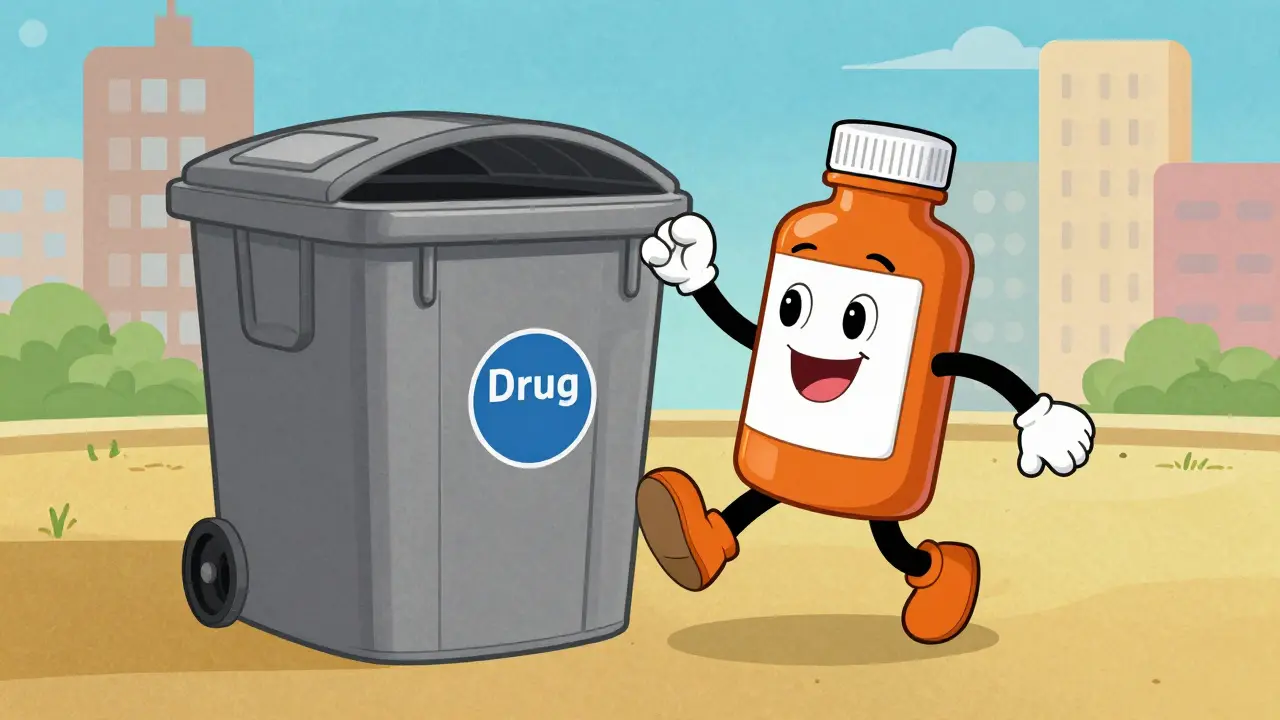
The safest way to store a medication you no longer need is to get it out of your house entirely. Expired opioids are a massive liability. Even if you think they're hidden, they are a target for diversion. The DEA Drug Enforcement Administration operates thousands of authorized collection sites where you can drop off unwanted controlled substances without questions asked.
Don't just flush them down the toilet unless the packaging specifically tells you to, as this can contaminate the water supply. Keep an eye out for National Prescription Drug Take Back Days, which usually happen in April and October. In 2022 alone, the DEA collected nearly a million pounds of medication this way, preventing countless potential overdoses.
What is the safest place in the house to store opioids?
The safest location is a locked cabinet or biometric lockbox mounted at least 4 feet off the ground in a cool, dry room (avoiding the bathroom and kitchen). This prevents children from reaching them and protects the drug from humidity and heat.
Are child-resistant caps enough to prevent overdose?
While they are a great first line of defense and reduce ingestions by 40%, they are not foolproof. Children can sometimes open them, and they do nothing to prevent teenagers or adults from accessing the medication. A locked box is strongly recommended for high-risk drugs.
How can elderly patients balance safety with easy access?
Patients with arthritis or limited dexterity should look for lockboxes with digital keypads or emergency release mechanisms rather than small physical keys. Some smart dispensers can also be programmed to release the correct dose at a specific time, reducing the need to struggle with locks daily.
How do I know if my lockbox is actually secure?
Check if the box meets ANSI Grade 2 standards. These boxes are tested to withstand forced entry for at least 10 minutes. Avoid thin plastic boxes with simple snap-locks if you are storing high-risk narcotics.
What should I do if I suspect someone has taken my medication?
If you notice a discrepancy in your pill count, immediately check for signs of overdose in anyone in your household. If you suspect a poisoning, call the Poison Help hotline at 1-800-222-1222 or emergency services immediately.
Next Steps and Troubleshooting
If you're feeling overwhelmed by the cost of a high-end safe, start small. Even a basic metal lockbox from a pharmacy is better than a nightstand. If you're in a low-income household, check with your healthcare provider or local community clinics; some programs, like the partnership between CVS and MedMinder, have provided free lockboxes to high-risk patients in the past.
If you find that you're forgetting to lock your meds back up, try a "habit stack." Make it a rule that you cannot leave the room after taking your dose until you hear the lock click. This simple mental trigger ensures the safety barrier is always in place.