
Staph Infection: What It Is, How It Spreads, and How to Treat It
When you hear staph infection, a bacterial infection caused by Staphylococcus bacteria, often starting on the skin. Also known as Staph aureus infection, it’s one of the most common causes of skin and soft tissue infections in the U.S. Most people carry these bacteria on their skin or in their nose without problems—but when the skin breaks, they can slip in and cause trouble.
Not all staph infections are the same. Some are mild, like a pimple or boil that pops up on your arm. Others turn dangerous fast—especially if they become MRSA, a strain of staph resistant to common antibiotics like methicillin. MRSA doesn’t respond to the usual drugs, and it can spread to the bloodstream, lungs, or heart if not caught early. You don’t need to be in a hospital to get it. Gyms, locker rooms, and even shared towels can spread it. Kids, athletes, and older adults are at higher risk, but anyone can get infected.
What makes staph so tricky is how easily it hides. A small red bump might seem harmless, but if it grows, fills with pus, or feels warm to the touch, it’s not just a zit. Fever, chills, or swelling nearby? That’s your body fighting a deeper infection. Antibiotics work—but only if you pick the right one. Overusing antibiotics has made staph stronger. That’s why doctors now avoid prescribing them unless they’re sure. Sometimes, draining the abscess is more effective than pills. And cleaning your skin and surfaces regularly? That’s your first line of defense.
It’s not just about treating the infection—it’s about stopping it from coming back. People who’ve had one staph infection are more likely to get another. That’s why hygiene, wound care, and avoiding shared personal items matter more than you think. Even if you’re not sick, you could be carrying the bacteria and passing it along.
Below, you’ll find real-world guides on how to spot dangerous reactions to meds, how to avoid drug interactions that weaken your defenses, and how to handle infections safely without making them worse. These aren’t theoretical tips—they’re what patients and caregivers are using right now to stay out of the hospital.
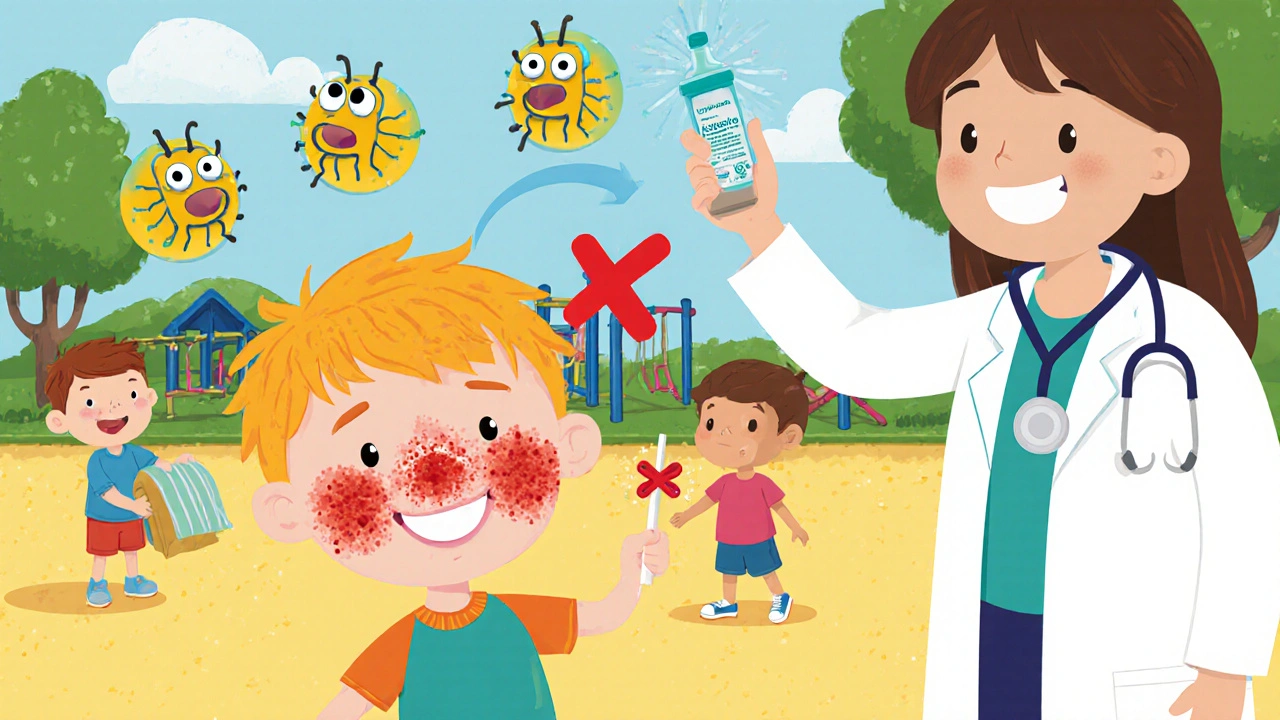
Bacterial Skin Infections: Impetigo, Cellulitis, and Antibiotics Explained
Haig Sandavol Nov 27 12Impetigo and cellulitis are common bacterial skin infections that require different treatments. Learn how to tell them apart, which antibiotics actually work, and when to seek emergency care.
More Detail