
Iron Deficiency and Sleep: How Low Iron Affects Rest and What to Do
When you can’t sleep—even when you’re exhausted—it might not be stress or screen time. It could be iron deficiency, a common condition where your body lacks enough iron to make healthy red blood cells. Also known as iron-deficiency anemia, it doesn’t just make you tired during the day—it quietly steals your sleep at night. Many people don’t connect poor sleep with low iron, but research shows iron plays a direct role in regulating dopamine and brain signals that control rest. If you’re tossing and turning, waking up with tingling legs, or feeling wired despite being drained, your body might be screaming for more iron.
One of the most overlooked links is between iron deficiency, a condition where the body can’t produce enough hemoglobin to carry oxygen properly and restless legs syndrome, a neurological disorder that causes uncomfortable sensations in the legs, especially at night. Studies from the National Institutes of Health show that up to 25% of people with restless legs have low iron stores—even if their blood count looks normal. Iron doesn’t just build blood; it helps your nerves send the right signals to move—or stay still. Without enough, your legs twitch, your brain stays alert, and sleep slips away. Even mild iron shortage can disrupt deep sleep cycles, leaving you feeling unrefreshed no matter how long you lie down.
And it’s not just about legs. Low iron can make you more sensitive to noise, harder to fall asleep, and more likely to wake up gasping or with heart palpitations. If you’re on diabetes meds, have heavy periods, or eat a plant-heavy diet, your risk is higher. The good news? Fixing it often fixes sleep. But not all iron supplements are equal—some cause stomach upset, others don’t absorb well. And taking them at the wrong time can backfire. That’s why the posts below cover real cases: how people tracked their symptoms, what tests actually matter (ferritin, not just hemoglobin), which foods boost absorption, and which supplements work without the side effects. You’ll find advice on timing doses, avoiding coffee with iron, and what to do when your doctor says your levels are "fine" but you still can’t sleep. This isn’t guesswork. It’s what people who finally got their sleep back actually did.
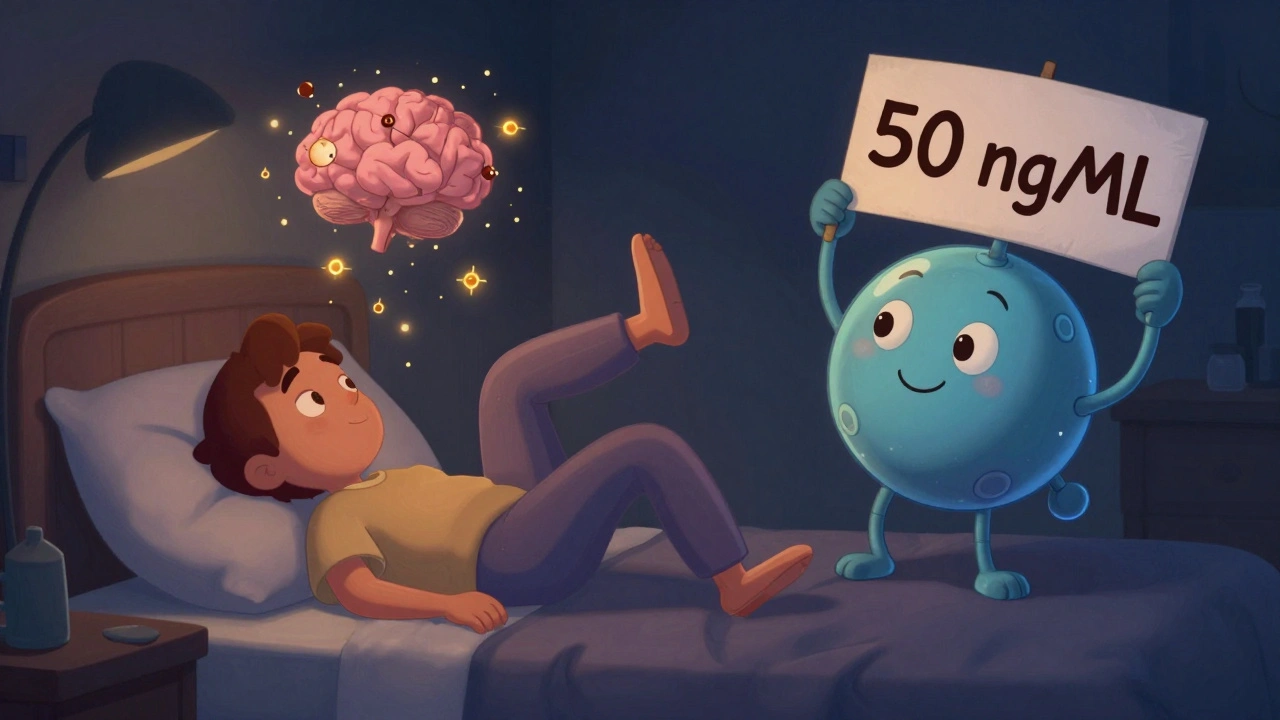
Restless Legs and Iron: What Ferritin Levels Mean and How to Fix Them
Haig Sandavol Dec 3 11Low ferritin levels are a common but overlooked cause of restless legs syndrome. Learn the ideal ferritin target, how iron supplements work, when to choose IV iron, and why dopamine meds aren't the best long-term solution.
More Detail