
Bacterial Skin Infection: Causes, Treatments, and What You Need to Know
When your skin breaks—whether from a cut, bug bite, or scratch—it’s not just a minor annoyance. It’s an open door for bacterial skin infection, a condition caused by harmful bacteria entering the skin and triggering inflammation, redness, and sometimes pus. Also known as skin abscess or cutaneous infection, it’s one of the most common reasons people visit doctors, and it’s often mistaken for something harmless. Not all red, swollen skin is the same. A fungal rash like tinea versicolor itches and flakes, but a bacterial infection often feels hot, throbs, and gets worse fast.
Two main culprits cause most cases: Staphylococcus aureus, a bacteria commonly found on healthy skin that turns dangerous when it gets inside and Streptococcus pyogenes, the group A strep that causes impetigo and spreads easily in schools and gyms. These aren’t rare bugs—they’re everywhere. What makes them dangerous isn’t just their presence, but how quickly they multiply if you ignore early signs. Cellulitis, a deeper bacterial infection, can turn a small red patch into a fever and chills in under 24 hours. And here’s the thing: antibiotics aren’t always the answer. Some infections need drainage, not pills. Others respond to topical treatments. Misusing antibiotics leads to resistance—and that’s a bigger problem than the original infection.
Many of the posts in this collection help you avoid the guesswork. You’ll find clear guides on how to tell if a skin issue is bacterial or something else, when to push for lab tests, and which antibiotics actually work for common strains. You’ll also learn about antibiotic combination products, why generic versions matter for cost and access, and how to read drug labels so you know exactly what you’re taking. There’s advice on managing medication storage if you’re treating kids or seniors at home, and how to track symptoms to spot reactions early. You won’t find fluff here—just real, practical info on how to handle bacterial skin infections safely, effectively, and without overtreating.
Whether you’re dealing with a stubborn boil, a spreading red area after a scrape, or just want to know when it’s time to see a doctor, this collection gives you the facts—no jargon, no fear-mongering. You’ll walk away knowing what to watch for, what to ask for, and how to protect yourself from mistakes that make things worse.
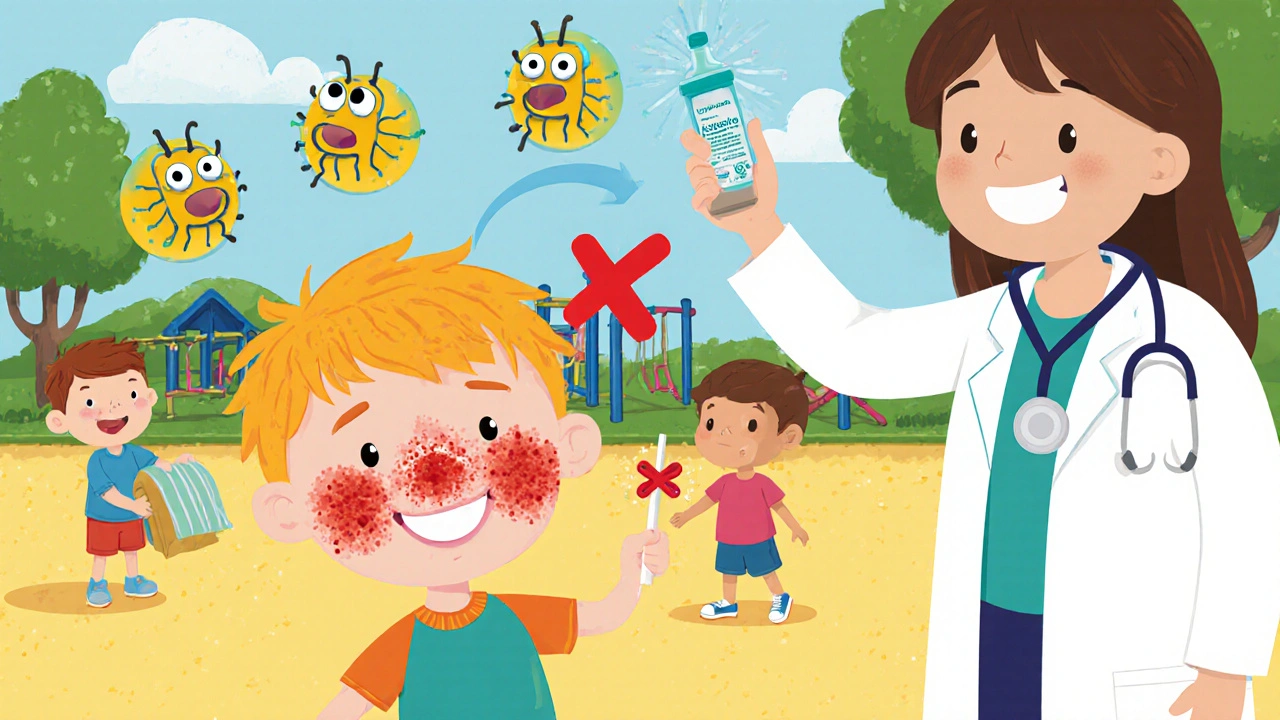
Bacterial Skin Infections: Impetigo, Cellulitis, and Antibiotics Explained
Haig Sandavol Nov 27 12Impetigo and cellulitis are common bacterial skin infections that require different treatments. Learn how to tell them apart, which antibiotics actually work, and when to seek emergency care.
More Detail