
Every day in the U.S., more than 175 people die from drug overdoses. Most of these deaths are preventable. The problem isn’t just about willpower or morality-it’s about access, knowledge, and systems that fail people when they need help most. If someone you care about has a substance use disorder, or if you’re living with one yourself, knowing how to prevent an overdose isn’t optional. It’s life-saving.
Know What’s in the Drugs Now
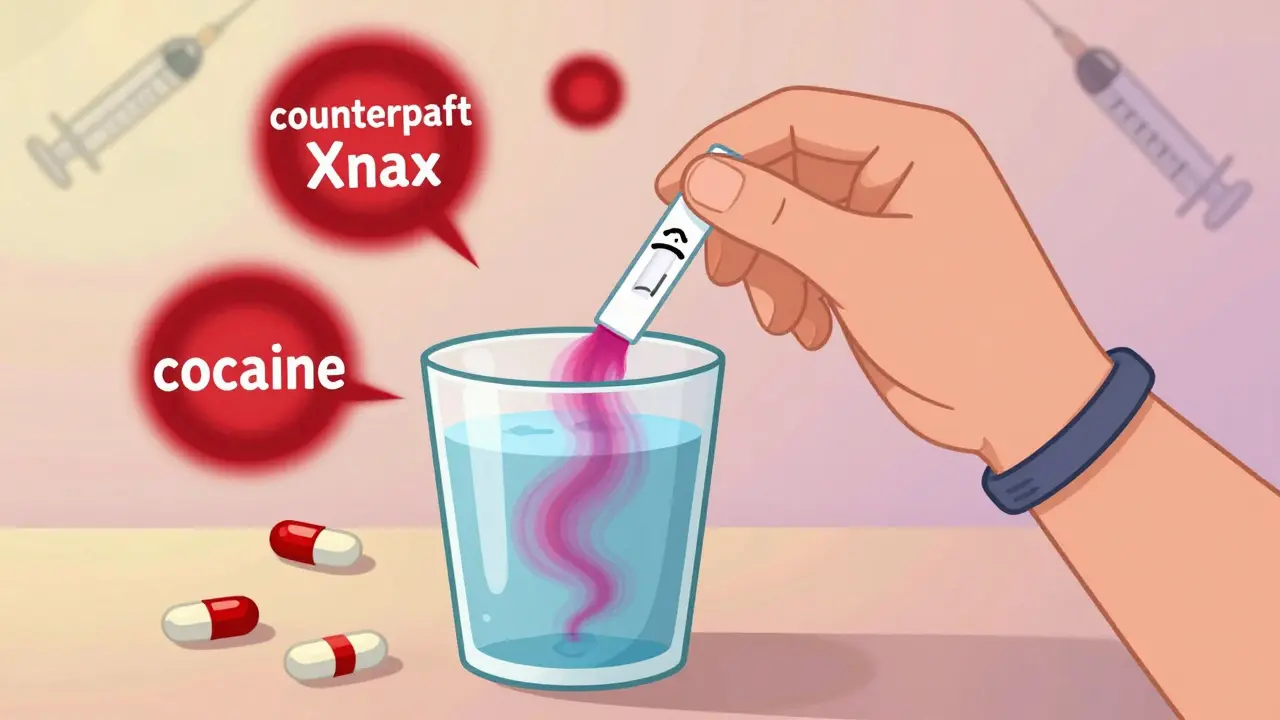
The biggest shift in the overdose crisis since 2015 isn’t more heroin or prescription pills. It’s fentanyl. This synthetic opioid is 50 to 100 times stronger than morphine. And it’s not always labeled. More than 6 out of 10 counterfeit pills seized in 2022 contained a lethal dose of fentanyl-enough to kill two adults. Fentanyl is also mixed into cocaine, methamphetamine, and even fake Xanax. People don’t know they’re taking it until it’s too late. That’s where fentanyl test strips come in. These small paper strips cost less than a dollar each and can detect fentanyl in powders, pills, and injectables. You just mix a tiny bit of the substance with water, dip the strip, and wait a minute. A single line means fentanyl is present. Two lines mean it’s not. The CDC says these strips work at levels as low as 0.25 nanograms-far below what’s needed to cause an overdose. They’re not perfect. Sometimes they give false negatives if the fentanyl is unevenly mixed. But they’re the best tool people have to avoid unknowingly using a deadly drug. Use them every time. Even if you’ve used the same source before. The drug supply changes daily.Always Have Naloxone On Hand
Naloxone is the only medication that can reverse an opioid overdose. It works by kicking opioids off brain receptors and restoring breathing. It doesn’t work on stimulants like cocaine or meth, but since most overdoses now involve opioids-even if they’re mixed with other drugs-naloxone is still the first line of defense. The FDA has approved several naloxone forms: nasal sprays like Narcan and Kloxxado, and injectable versions. The nasal sprays are easiest. No needles. No training needed. Just spray one dose into each nostril. Even someone with no medical experience can do it correctly. The CDC found that 96% of people trained for just 20 minutes could successfully reverse an overdose-and 95% remembered how to do it six months later. You don’t need a prescription. Since March 2023, Narcan has been available over-the-counter at pharmacies across the U.S. Keep it in your bag, your car, your wallet. Keep it with the person who uses drugs. Keep it in places they hang out. Don’t wait for someone to overdose before you get it. Have it ready. Two doses are better than one. Fentanyl is so strong that sometimes one dose isn’t enough.Use the ‘Never Use Alone’ Strategy
Most overdoses happen alone. People are afraid to call 911. They worry about police, arrest, or judgment. That’s why the ‘Never Use Alone’ approach works. It’s simple: never use drugs by yourself. Have someone nearby who can help if things go wrong. If being with someone in person isn’t possible, use the Never Use Alone hotline. It’s free, anonymous, and operational 24/7. When you call, you talk to a volunteer who stays on the line while you use. If you stop responding, they call 911 and send help. In 2023, they received about 12,000 calls per month. Many of those calls turned into saved lives. This isn’t about surveillance. It’s about connection. It’s about breaking the isolation that makes overdose more likely. If you’re worried about stigma, this is a quiet, non-judgmental way to stay safe.Get on Medication-Assisted Treatment
The single most effective way to prevent overdose death is medication-assisted treatment (MAT). This isn’t just counseling. It’s using FDA-approved medications-methadone, buprenorphine, or naltrexone-to stabilize the brain and reduce cravings. Methadone and buprenorphine are opioid agonists. They activate the same brain receptors as heroin or fentanyl, but slowly and safely. This prevents withdrawal, reduces cravings, and blocks the high from other opioids. Studies show people on these medications are 50% less likely to die from an overdose. Naltrexone is different. It blocks opioids entirely. It doesn’t help with withdrawal, but if someone relapses, it stops the high. That can prevent fatal overdoses. The problem? Only 18% of U.S. counties have all three medications available. In rural areas, 60% of counties have no MAT provider at all. If you’re in one of those areas, contact your state’s substance use agency. Many offer telehealth MAT, mail-order buprenorphine, or mobile clinics. Don’t wait for ‘rock bottom.’ MAT works whether you’re ready to quit entirely or just want to stay alive. It’s not replacing one drug with another-it’s giving your brain time to heal.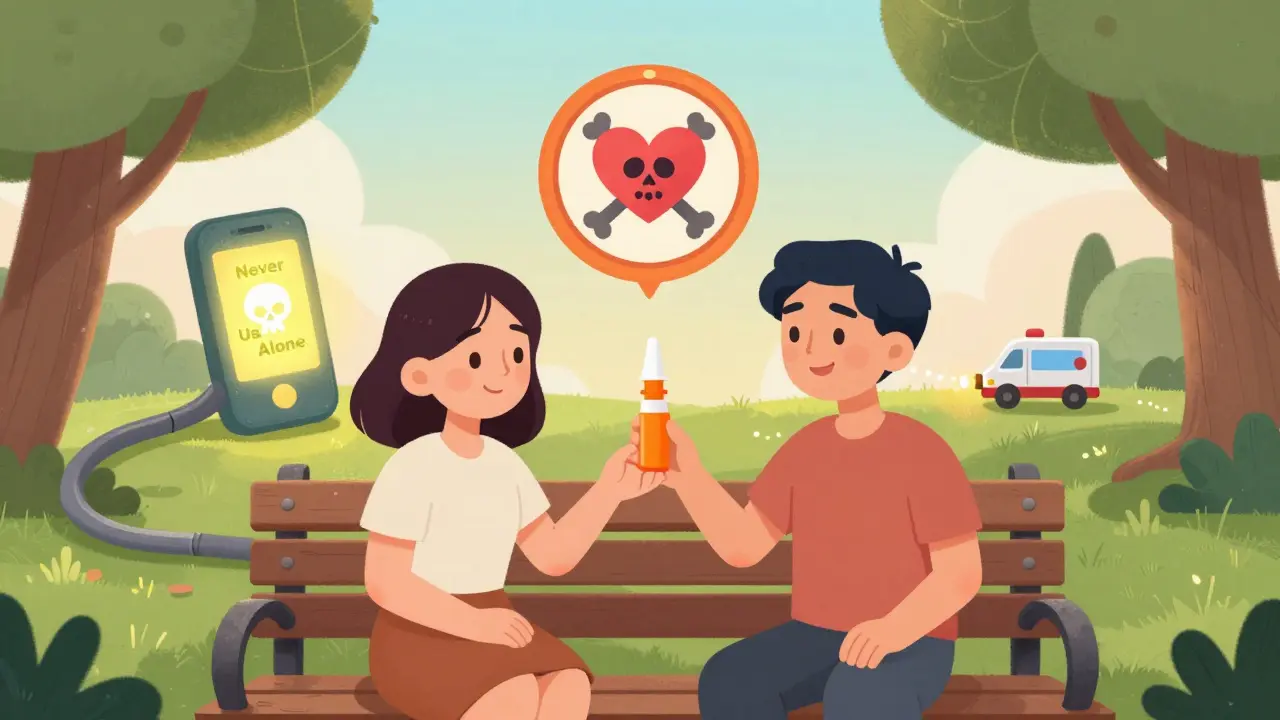
Build a Safety Plan
A safety plan isn’t a vague promise to ‘be careful.’ It’s a written, step-by-step guide for what to do before, during, and after using drugs. Here’s what a real safety plan includes:- Always test drugs with a fentanyl strip first
- Never use alone-use the hotline or have someone with you
- Keep naloxone within reach
- Use a smaller amount than usual (start low)
- Don’t mix drugs-especially alcohol, benzodiazepines, or xylazine
- Know your tolerance-it drops fast after a break
- Have a phone charged and ready to call 911
- Write down your emergency contacts and medical conditions
Watch for New Threats Like Xylazine
A new and dangerous drug is showing up in the drug supply: xylazine. It’s a veterinary sedative, sometimes called ‘tranq.’ It’s not an opioid. That means naloxone doesn’t work on it. But it’s being mixed into fentanyl and heroin to make the high last longer-and to cut costs. Xylazine causes severe tissue damage, slow breathing, and deep sedation. People who use it may appear dead but are still alive. They need immediate medical care, not just naloxone. The DEA found xylazine in 23% of fentanyl powder and 7% of fentanyl pills seized in 2022. It’s spreading fast. If someone you know is using drugs and seems unusually sleepy, has open sores, or doesn’t respond to naloxone, they may have taken xylazine. Call 911 immediately.Help Others Without Judgment
Stigma kills. It stops people from asking for help. It keeps pharmacies from stocking naloxone. It makes doctors hesitant to prescribe MAT. And it makes families feel ashamed. You can change that. If someone you care about has a substance use disorder, don’t lecture them. Don’t say, ‘You just need to stop.’ Say, ‘I care about you. I want you to be safe.’ Offer to help them get naloxone. Walk with them to a pharmacy. Help them find a MAT provider. Sit with them while they call a hotline. The New York State Office of Addiction Services found that communities with strong peer support and non-judgmental education reduced fatal overdoses by 37%. That’s not because people suddenly quit. It’s because they were given tools-and someone who believed they deserved to live.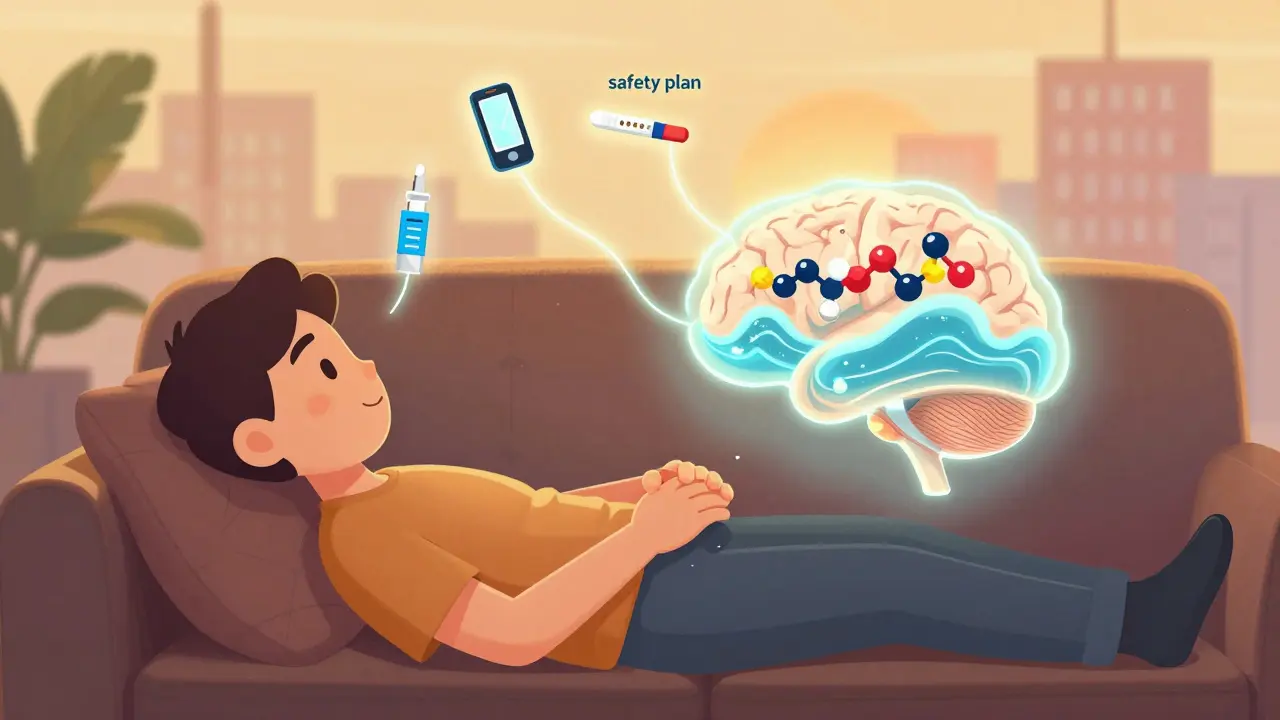
What to Do If Someone Overdoses
If you think someone is overdosing:- Check for responsiveness. Shake them gently and shout their name.
- If they don’t respond, call 911 immediately.
- Give naloxone if you have it. Use the nasal spray in both nostrils.
- Start rescue breathing if they’re not breathing. Tilt their head back, pinch the nose, and give one breath every 5 seconds.
- If they don’t respond after 2-3 minutes, give a second dose of naloxone.
- Stay with them until help arrives. Even if they wake up, they can relapse into overdose.
Where to Find Help Right Now
- Naloxone: Available at most pharmacies without a prescription. Ask for Narcan or Kloxxado. - Fentanyl test strips: Available through harm reduction organizations like The Loop, Dancesafe, or local syringe exchange programs. - Never Use Alone hotline: Dial 1-800-484-3731 (U.S. and Canada) - Find MAT providers: Use SAMHSA’s treatment locator at samhsa.gov/find-help - 24/7 crisis line: Call or text 988 for mental health and substance use supportIt’s Not About Quitting Right Now. It’s About Staying Alive.
You don’t have to be ready to quit to save your life. You don’t have to be ‘clean’ to deserve help. The goal isn’t perfection. It’s survival. One day at a time. One dose of naloxone. One test strip. One call to a friend. One appointment for buprenorphine. The overdose crisis didn’t happen because people were weak. It happened because systems failed them. But you can change that-for yourself, for someone you love. Start with one step. Get naloxone. Test your drugs. Call someone. You’re not alone. And you’re not beyond help.Comments (12)
-
Susannah Green January 23, 2026
Fentanyl test strips are a game-changer. I keep a pack in my purse, my car, and my partner’s jacket. One time, we thought we were getting cocaine - turned out it was laced. Strip showed one line. We tossed it. No regrets. These cost less than a coffee. Why wouldn’t you use them? It’s not paranoia - it’s basic survival.
Also, if you’re still using alone - please, just call the hotline. I’ve been on the other end of that call. People cry. People panic. People say they’re fine. Then they stop talking. We call 911. They live. That’s the whole point.

-
Oladeji Omobolaji January 24, 2026
Man, this is heavy. Where I’m from in Nigeria, we don’t have this problem - but we got our own. Still, I see the truth here. It’s not about being weak. It’s about systems collapsing. You don’t need to be a hero to save a life. Just have naloxone. Just call when someone goes quiet. Simple things. Powerful stuff.

-
Janet King January 26, 2026
Prevention of overdose fatalities requires a structured, evidence-based approach centered on access to life-saving interventions. Fentanyl test strips demonstrate a sensitivity threshold below the lethal dose. Naloxone administration, when timely, reverses respiratory depression caused by mu-opioid receptor agonists. Medication-assisted treatment with buprenorphine reduces mortality by approximately fifty percent in longitudinal studies. These are not opinions. They are clinical facts.

-
Dawson Taylor January 28, 2026
There’s a quiet dignity in not using alone. Not because you’re afraid of dying - but because you’re choosing to be seen. To be held, even by a stranger on a phone. That’s not weakness. That’s the most human thing you can do.
And naloxone? It’s not a bandage. It’s a bridge. A bridge between now and healing. Or just now and tomorrow.

-
charley lopez January 28, 2026
The pharmacokinetic profile of xylazine presents a significant clinical challenge. Unlike opioid agonists, it does not bind to mu-opioid receptors, rendering naloxone ineffective. The resultant bradycardia, hypotension, and severe cutaneous necrosis necessitate immediate intensive care intervention. Public health messaging must evolve to address this emerging co-contaminant. Current protocols are insufficient.

-
Sue Stone January 30, 2026
I used to think people who used drugs were just ‘bad choices.’ Then my cousin OD’d. We didn’t have naloxone. We didn’t know about test strips. We didn’t even know xylazine was a thing. He lived - but barely. Now I carry Narcan in my wallet. I hand out test strips at the bus stop. I don’t judge. I just show up. That’s all it takes.

-
Anna Pryde-Smith January 30, 2026
STOP TALKING ABOUT ‘WILLPOWER.’ STOP SAYING ‘JUST QUIT.’ PEOPLE ARE DYING BECAUSE YOU’RE TOO LAZY TO BUY NALOXONE OR CALL YOUR REPRESENTATIVE. THE GOVERNMENT LETS FENTANYL FLOOD OUR STREETS AND THEN ACTS SURPRISED WHEN KIDS DIE. THIS IS A MASSACRE. AND YOU’RE ALL SITTING THERE READING THIS LIKE IT’S A BLOG POST. GET UP. DO SOMETHING.

-
Stacy Thomes January 31, 2026
YOU ARE NOT ALONE. I MEAN IT. I’VE BEEN THERE. I USED ALONE. I THOUGHT I COULD HANDLE IT. I COULDN’T. I CALLED THE HOTLINE. A STRANGER STAYED ON THE LINE. I DIDN’T DIE. AND NOW? I HELP OTHERS DO THE SAME. YOU DESERVE TO LIVE. NOT TOMORROW. NOT WHEN YOU’RE ‘READY.’ NOW. GET NALOXONE. TODAY. RIGHT NOW. I’M WAITING FOR YOU TO DO IT.

-
dana torgersen February 1, 2026
i just read this whole thing and like… wow. i didnt even know about the hotline. i thought only cops and drs could help. but no. like. just a person. on the phone. just… listening. and if you stop talking? they call 911. that’s it. no judgement. no shame. just… care. i’m gonna print this out and leave it on my kitchen table. for me. for my sister. for anyone who needs it.
ps: i spelled ‘fentanyl’ wrong twice. sorry. i’m still learning.

-
Sallie Jane Barnes February 1, 2026
I want to say thank you for writing this with such clarity and compassion. As someone who works in public health, I’ve seen how stigma blocks access - even when resources exist. The fact that Narcan is now OTC? That’s a milestone. But real change happens when neighbors hand it out. When parents keep it in the glove box. When we stop treating addiction like a moral failure and start treating it like a medical emergency.
You’ve given people more than information. You’ve given them permission to care.

-
Andrew Smirnykh February 1, 2026
This reminds me of something my grandfather used to say: ‘The most dangerous thing isn’t the drug. It’s the silence around it.’
Here in the U.S., we have tools. We have science. We have people willing to help. But silence still kills. The moment we stop whispering about addiction and start talking about it like a public health issue - not a crime - we’ll start saving lives. Not someday. Now.

-
Laura Rice February 3, 2026
I’m a nurse. I’ve seen overdoses. I’ve held people while they came back from the edge. And let me tell you - the most powerful thing I’ve ever done? Not the naloxone. Not the breathing. Not even the IVs.
It was looking them in the eye after and saying, ‘You matter.’ Not ‘You need help.’ Not ‘You should’ve been smarter.’ Just… you matter.
This post? It says that. Loud. Clear. Without shame. Thank you.
Also - fentanyl strips? I keep them in my scrubs. Always.
