
Antibiotics for Skin: What Works, What to Avoid, and How to Use Them Safely
When your skin breaks out in redness, pus, or swelling, it’s easy to assume you need antibiotics for skin, medications designed to kill or slow the growth of bacteria causing infections. Also known as bacterial skin treatments, they’re powerful—but only when the problem is truly bacterial. Many rashes, itchiness, or flaky patches aren’t caused by bacteria at all. Fungi like Malassezia yeast, a common skin fungus linked to tinea versicolor and dandruff or viruses like herpes need different tools. Using antibiotics here won’t help—and it can hurt.
Antibiotic resistance is real, and it’s getting worse because people take them when they don’t need them. A simple pimple doesn’t require oral antibiotics. Most mild bacterial skin infections, like small boils or impetigo, respond better to topical antibiotics, cream or ointment forms applied directly to the affected area than pills. Even then, they’re usually only needed for a few days. Overusing them—even for a week longer than prescribed—fuels superbugs that no drug can touch. The FDA warns that up to 30% of antibiotic prescriptions in the U.S. are unnecessary, and skin infections are a big part of that.
What’s often mistaken for a bacterial infection? Eczema flare-ups, allergic reactions, or even heat rash. These need moisturizers, antihistamines, or cooling care—not antibiotics. Meanwhile, conditions like cellulitis, which spreads quickly and causes fever, do need prompt oral antibiotics. But even then, doctors should test for the exact bacteria before choosing the drug. Some infections, like those from MRSA, require specific antibiotics that regular ones won’t touch. And if you’ve been told you’re allergic to penicillin, that label might be wrong—many people outgrow it or were misdiagnosed. Getting tested can open up safer, cheaper options.
You’ll find posts here that break down exactly when antibiotics make sense for skin, which ones are overused, and how to spot the difference between a simple irritation and a real infection. We’ll show you how to read drug labels so you know what’s in your cream or pill. You’ll learn about combination products that mix antibiotics with other agents for better results—and why generic versions can save you money without cutting corners. We also cover how to avoid side effects, what to do if a treatment fails, and how to protect your skin’s natural bacteria while fighting the bad ones. This isn’t about quick fixes. It’s about using the right tool, at the right time, for the right reason.
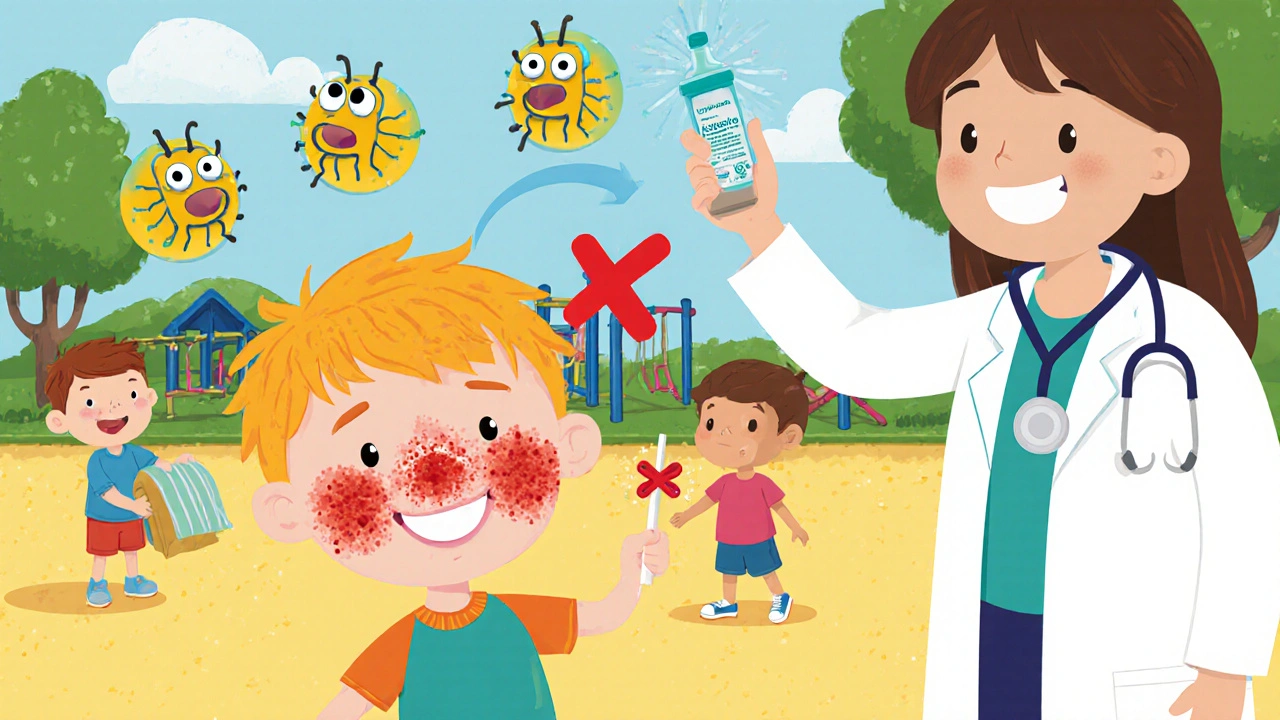
Bacterial Skin Infections: Impetigo, Cellulitis, and Antibiotics Explained
Haig Sandavol Nov 27 12Impetigo and cellulitis are common bacterial skin infections that require different treatments. Learn how to tell them apart, which antibiotics actually work, and when to seek emergency care.
More Detail