
Allergic Drug Reaction: Signs, Triggers, and How to Stay Safe
When your body mistakes a medicine for a threat, it can trigger an allergic drug reaction, an immune system response to a medication that causes symptoms ranging from mild rash to life-threatening shock. Also known as a drug allergy, this isn’t just a side effect—it’s your body fighting back. Unlike nausea or dizziness, which are common side effects, a true allergic reaction involves your immune system releasing histamine and other chemicals. That’s why symptoms like hives, swelling, trouble breathing, or anaphylaxis show up—even if you’ve taken the drug before without issues.
Many people confuse adverse drug reaction, any harmful or unintended effect from a medication, whether allergic or not with an allergic one. But not all bad reactions are allergies. A stomach upset from antibiotics? That’s usually not an allergy. But if your throat closes up after taking penicillin? That’s a drug allergy, a specific immune response triggered by a medication. Common culprits include penicillin, sulfa drugs, NSAIDs like ibuprofen, and even some diabetes meds. And here’s the thing: once you’ve had one allergic reaction, your risk goes up for future ones—even with different drugs in the same class.
Keeping track of what you’ve reacted to isn’t just smart—it’s lifesaving. That’s why keeping a symptom diary, a detailed log of when symptoms started, what you took, and how they progressed matters. It helps your doctor spot patterns. Did the rash appear 2 hours after your new blood pressure pill? That’s a red flag. Did swelling start after your last antibiotic? That’s a warning sign. The allergic drug reaction you ignore today could lead to a hospital visit tomorrow.
It’s not just about avoiding the drug you reacted to. Cross-reactions happen. If you’re allergic to one penicillin, you might react to others. If you’re sensitive to sulfa drugs, you could react to certain diabetes pills or diuretics. That’s why reading labels and asking your pharmacist about inactive ingredients matters. Even something as simple as a dye or filler can trigger a reaction in someone already sensitized.
And don’t assume you’re safe just because you’ve never reacted before. Allergies can show up out of nowhere—even after years of using the same medicine. That’s why knowing your history and speaking up at every doctor’s visit is critical. If you’ve ever had a reaction, write it down. Tell every provider. Carry a list in your wallet. Your life might depend on it.
Below, you’ll find real stories and practical guides on spotting reactions early, avoiding dangerous combinations, and protecting yourself when you’re on multiple meds. Whether you’re managing diabetes, heart issues, or just taking daily pills, knowing how your body responds to drugs isn’t optional—it’s essential.
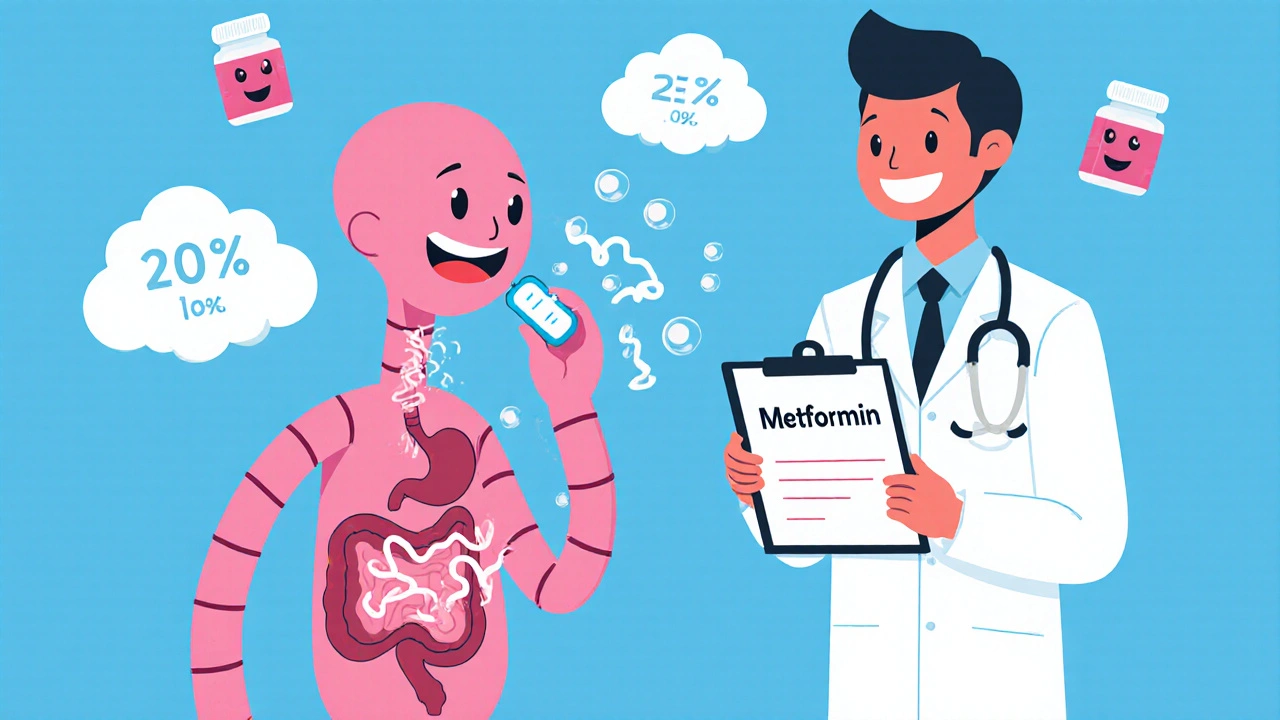
Difference Between Medication Side Effects and Allergic Drug Reactions
Haig Sandavol Nov 29 10Learn the critical difference between medication side effects and true allergic drug reactions. Discover why mislabeling them can lead to dangerous treatments, higher costs, and unnecessary risks-and how to get it right.
More Detail