
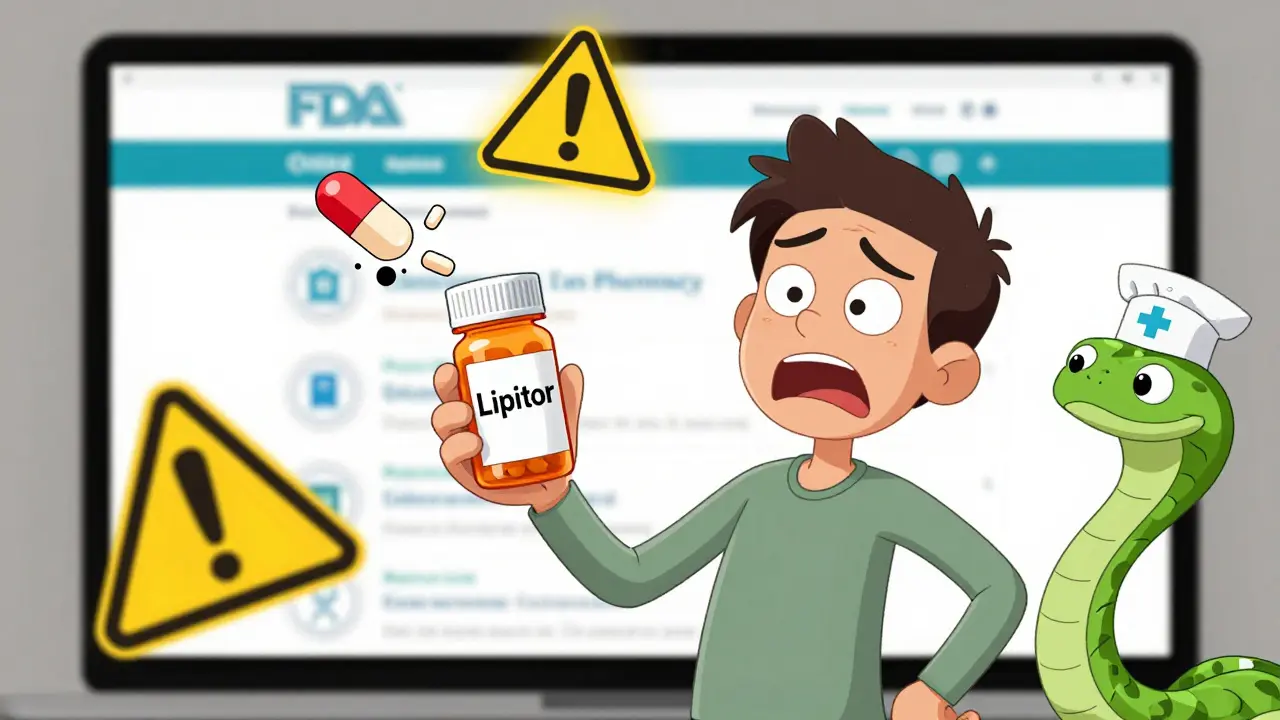
You take your medicine like clockwork. You trust the bottle. You trust the pharmacy. But what if that pill isn’t what it says it is? Counterfeit medications are more common than most people realize-and they’re not just ineffective. They can kill you.
What Exactly Are Counterfeit Medications?
Counterfeit meds are fake drugs made to look real. They might have the right shape, color, and logo-but they don’t contain the right ingredients. Some have no active drug at all. Others have too much. Some are laced with fentanyl, methamphetamine, or rat poison. The World Health Organization defines them as products deliberately mislabeled to trick you. This isn’t a glitch in the system. It’s organized crime.In the U.S., the FDA estimates that less than 1% of legal pharmaceuticals are counterfeit. That sounds low-until you realize that 1% of millions of prescriptions still means tens of thousands of dangerous pills in circulation. And online? The DEA says 96% of websites selling prescription drugs are illegal. Most of them sell fakes.
Physical Signs Your Medicine Might Be Fake
Before you even swallow it, check the packaging and the pill itself. Real medications are made with precision. Counterfeits are slapped together in hidden labs.- Spelling errors on the label? That’s the #1 red flag. Pfizer found that 78% of fake pills they tested had at least one misspelled word-like “Lipitor” spelled “Lipitorr” or “Metformin” as “Metformen.”
- Wrong color or texture. If your generic Xanax is supposed to be a small white oval, but now it’s a large, glossy yellow circle? That’s not a reformulation. That’s a fake.
- Cracked, crumbly, or bubbled pills. Authentic tablets are pressed under high pressure. Fake ones often break apart easily or feel soft, sticky, or waxy.
- Missing holograms or security seals. Many legitimate drugs have color-shifting ink, micro-printing, or tamper-evident caps. If your bottle doesn’t have them-or they look blurry-be suspicious.
- Changed expiry date. A 2021 UK report found 63% of counterfeit meds had altered expiration dates. If the ink looks smudged or the date doesn’t match your last refill, don’t risk it.
- Wrong size or shape. Even a 2mm difference in diameter can mean it’s fake. Legit pills are manufactured to exact tolerances. Counterfeits are not.
One real case from 2023 involved fake Muro 128 eye drops. Patients reported burning, blurred vision, and corneal damage. The real product has a specific blue cap and clear liquid. The fakes had a green cap and cloudy fluid. One phone call to the pharmacy saved dozens of people from permanent eye damage.
What Happens When You Take a Fake Pill?
The symptoms aren’t always obvious right away. But they’re dangerous.- Your medicine just doesn’t work. If you’re taking blood pressure pills and your readings are still sky-high? Or insulin and your sugar keeps spiking? Eli Lilly found that 89% of counterfeit medication complaints involved complete treatment failure. This isn’t “it’s not working today”-it’s “it’s never worked.”
- New, strange side effects. If you’ve taken Adderall for years and suddenly feel dizzy, nauseous, or your heart races like you’ve had five espressos? That’s not the drug. That’s something else in it. The FDA says 74% of confirmed counterfeit cases involved new or unusual side effects.
- Overdose symptoms. Many fake pills contain fentanyl-50 to 100 times stronger than heroin. Signs include: pinpoint pupils, slow or shallow breathing, extreme drowsiness, cold/clammy skin, and unconsciousness. These can hit within 15 minutes. If you or someone else shows these signs, call 911 immediately. Naloxone can reverse it, but you need help fast.
- Stimulant overdose. Fake Adderall or Xanax might actually be methamphetamine. Symptoms: heart rate over 120 BPM, blood pressure above 180/110, fever over 104°F, tremors, hallucinations, chest pain. This isn’t “feeling wired.” This is a medical emergency.
- Toxic contaminants. Some counterfeits contain heavy metals, industrial dyes, or animal waste. Symptoms: vomiting, diarrhea, jaundice, dark urine, kidney pain. These can cause organ damage that shows up weeks later.
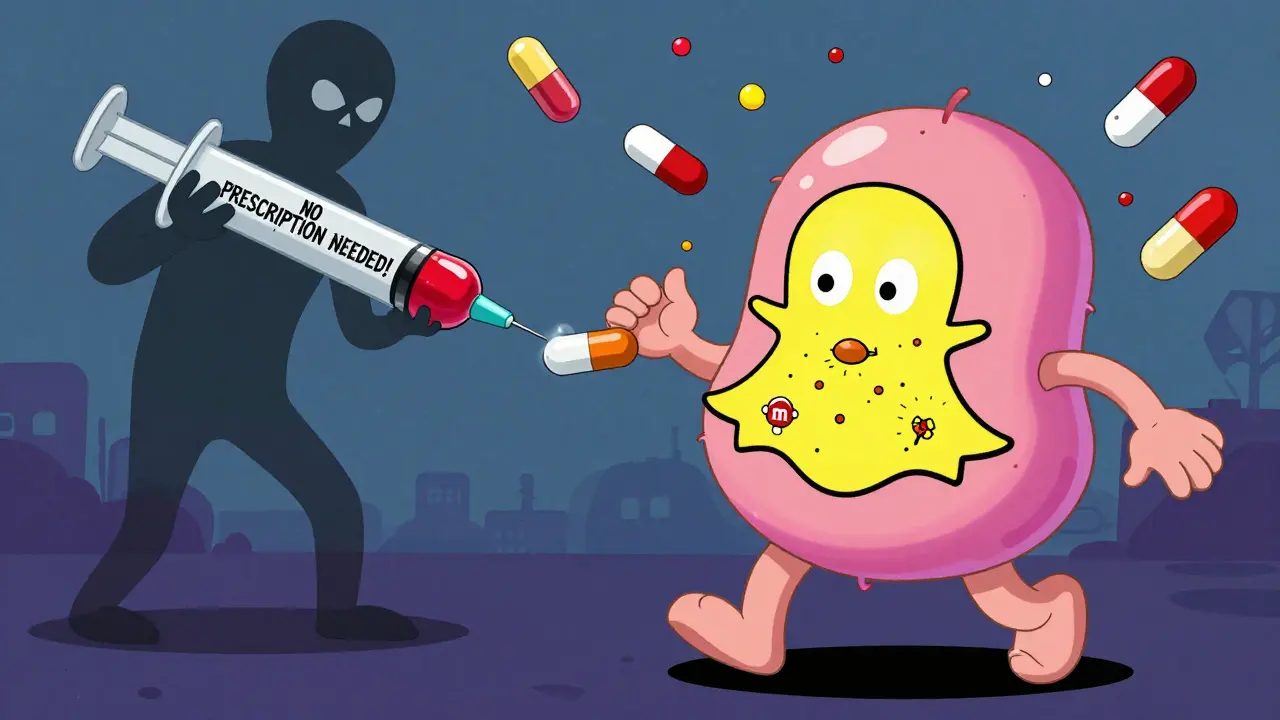
One teen in Ohio died after taking a pill he thought was oxycodone. Autopsy showed it was pure fentanyl. He had no history of opioid use. The pill was bought from a Snapchat seller.
Why Online Pharmacies Are a Death Trap
You see an ad: “$5 Percocet-No Prescription Needed!” It sounds too good to be true. It is.The DEA says 89% of drugs sold on illegal online pharmacies are counterfeit. These sites don’t need licenses. They don’t answer to anyone. They take your money, send you a box of chalk and fentanyl, and vanish.
Even sites that look professional-complete with fake FDA seals, customer reviews, and “pharmacist consultations”-are scams. The FDA has shut down over 10,000 fake pharmacy websites since 2018. But new ones pop up every day.
Never buy meds online unless you’re 100% sure it’s a licensed U.S. pharmacy. Look for the VIPPS seal (Verified Internet Pharmacy Practice Sites). If it’s not there, walk away.
What to Do If You Suspect a Counterfeit
Don’t throw it away. Don’t take another one. Don’t ignore it.- Stop taking it. Immediately.
- Save the pill and packaging. Put it in a sealed bag. This is evidence.
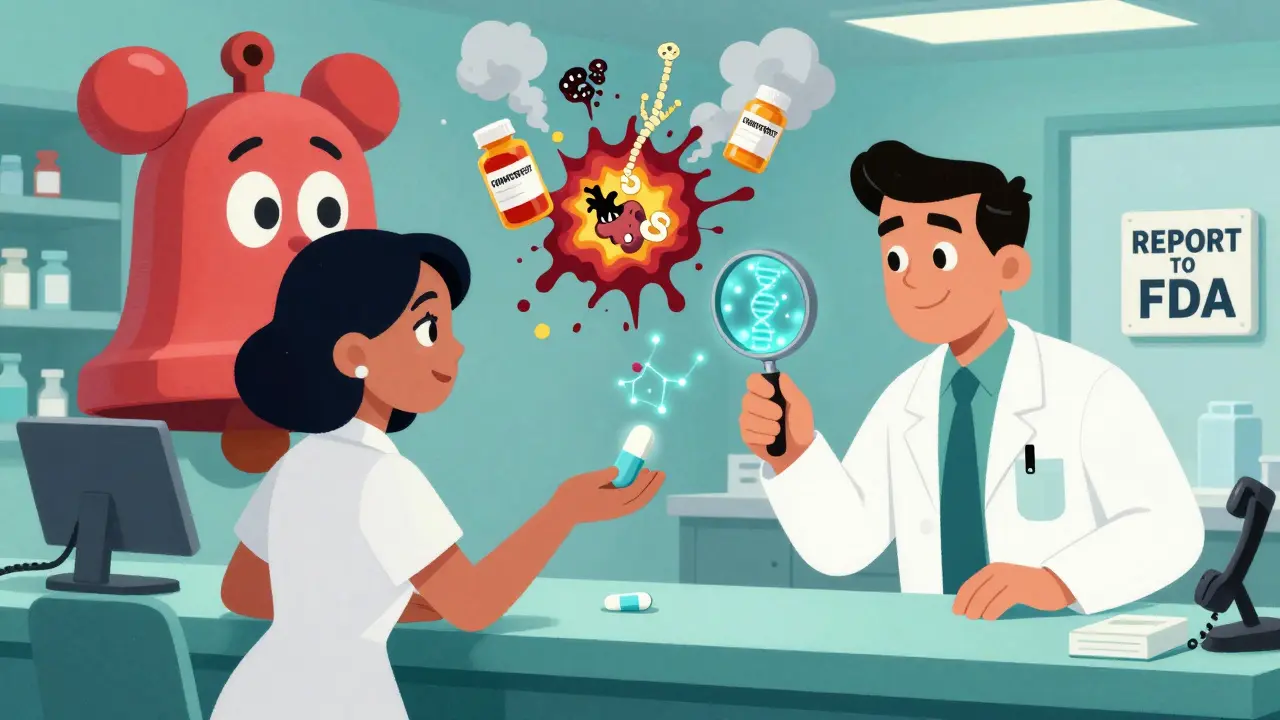
- Call your pharmacist. They can check the lot number against manufacturer databases. Eli Lilly, Pfizer, and others keep public lists of known counterfeit lot numbers.
- Contact the manufacturer. Most have toll-free numbers on their websites. Pfizer’s security team can verify authenticity in minutes.
- Report it to the FDA. Use their MedWatch portal. Your report helps track outbreaks and protect others.
- See your doctor. Even if you feel fine. Some toxins build up slowly. Blood tests can detect hidden contaminants.
One Houston woman reported her fake blood thinner after noticing the pills were lighter in color. Her pharmacist checked the lot number and found it was on a global recall list. Two other patients in her area had taken the same batch. One had a stroke. The other survived only because they got to the hospital in time.
How to Protect Yourself
- Only fill prescriptions at licensed U.S. pharmacies-brick-and-mortar or verified online.
- Always compare your new refill to your last one. Same size? Same color? Same markings? If not, ask.
- Never buy from social media, Craigslist, or “pharmacies” that don’t require a prescription.
- Use the CDC’s “Know Your Source” tool to check if a website is legitimate.
- Keep your medications in their original containers. Never transfer pills to pill organizers unless you’re sure they’re real.
- Teach your kids. Fake pills are being sold as candy on TikTok and Snapchat. They look like M&Ms or Skittles.
Merck now puts microscopic DNA tags in Zetia pills. Pfizer uses nanotech threads in Viagra bottles. These can’t be seen with the naked eye-but scanners at pharmacies can detect them. That’s how far the industry has gone to stop fakes. You should be just as careful.
Final Warning
Counterfeit drugs don’t just waste your money. They steal your health. They steal your life. There’s no “maybe” here. If something feels off about your medicine-trust your gut. Check it. Report it. Don’t wait for symptoms to show up.Every fake pill you take is a roll of the dice. And the odds? They’re not in your favor.
How can I tell if my pill is fake just by looking at it?
Look for spelling errors on the label, wrong color or shape compared to your last refill, pills that crumble easily, or missing security features like holograms. Real pills are made with precision-counterfeits are sloppy. Even a 2mm size difference can mean it’s fake.
Can fake pills really kill you?
Yes. In 2023, the CDC reported over 12,000 U.S. deaths linked to counterfeit pills containing fentanyl. Many of these were sold as oxycodone or Xanax. Fentanyl is 50 to 100 times stronger than heroin. A dose as small as two grains of salt can be fatal.
What should I do if I think I took a fake pill?
Stop taking it immediately. Save the pill and packaging. Call your pharmacist or the drug manufacturer using the contact info on their official website. Report it to the FDA through MedWatch. See your doctor-even if you feel fine-because some toxins cause damage over time.
Are online pharmacies ever safe?
Only if they’re VIPPS-certified (Verified Internet Pharmacy Practice Sites). The DEA says 96% of online pharmacies selling prescription drugs are illegal. If a site doesn’t require a prescription, doesn’t have a physical address, or offers “miracle deals,” it’s a scam.
Why do fake pills look so real?
Criminals use 3D printing, high-quality molds, and real packaging to copy brand names. Some counterfeits are so good they fool pharmacists without lab testing. That’s why checking lot numbers and reporting suspicious pills is critical-your vigilance helps catch them before others are hurt.
Can I test my pills at home?
No. Only labs can confirm if a pill is real or fake. Home test strips for fentanyl exist, but they only detect one substance and can give false results. If you’re worried, get professional help. Don’t rely on DIY tests.
What’s being done to stop counterfeit drugs?
The FDA is rolling out a national track-and-trace system by 2025 to verify every drug from manufacturer to pharmacy. Companies like Pfizer and Merck are embedding invisible DNA markers and nanotech threads into packaging. The CDC’s “Know Your Source” campaign targets social media ads targeting teens. But public awareness is still the strongest defense.
Comments (9)
-
Clay .Haeber January 14, 2026
Oh wow, another ‘wake up sheeple’ PSA about fake pills. Let me guess-you also think TikTok is the root of all evil and that fentanyl is some kind of shadow government bioweapon? Newsflash: the real problem is the $200 billion pharma cartel that prices life-saving meds out of reach, forcing people to buy ‘gray market’ stuff. At least counterfeit pills give the poor a fighting chance. Meanwhile, your $600 insulin? Probably made in a factory with more compliance paperwork than actual quality control. 😏

-
Angel Tiestos lopez January 16, 2026
bro i just found a pill that looks like a skittle but says 'oxycodone' on it 🤯 i thought it was candy lmao. my mom nearly had a heart attack when i told her. i threw it out but now i'm paranoid about every pill i see. why do people even make these? like… who wakes up and goes 'today i'm gonna poison someone with glitter and fentanyl'? 🤦♂️💔

-
Priyanka Kumari January 17, 2026
This is one of the most important posts I’ve read all year. As someone from India where counterfeit medications are rampant-especially for diabetes and hypertension-I’ve seen friends lose limbs and loved ones die because they trusted a local shop with no regulation. The physical signs listed here? Spot on. I’ve held pills that crumbled like chalk. Always verify lot numbers. Always. And please, if you’re reading this and have access to a pharmacy-help someone who doesn’t. Knowledge saves lives.

-
Adam Vella January 17, 2026
While the article correctly identifies the dangers of counterfeit pharmaceuticals, it fails to address the epistemological vacuum in which modern consumers operate. The commodification of health has eroded trust in institutional authority, rendering the very concept of ‘authenticity’ in medicine a performative construct. One cannot ‘trust the bottle’ when the bottle itself is a symbol of a broken system. The FDA’s 1% statistic is statistically misleading-it ignores the shadow supply chain’s recursive distribution networks. We are not merely victims of criminal enterprise; we are participants in a pathological market economy where the body becomes a site of speculative capital. The solution is not vigilance-it is systemic reorganization.

-
John Pope January 17, 2026
Let’s be real-this isn’t about fake pills. It’s about the death of accountability. The fact that a 17-year-old can buy a lethal dose of fentanyl disguised as Xanax on Snapchat? That’s not a drug problem. That’s a societal collapse wrapped in a pill-shaped coffin. We’ve normalized digital anonymity to the point where death is just another DM. And the FDA? They’re still printing brochures while the bodies pile up. The only ‘solution’ is to shut down every social media platform that allows unregulated pharmaceutical ads. Or we all just start carrying naloxone like we carry gum. 🤷♂️

-
Trevor Whipple January 18, 2026
lol i got a fake adderall once and thought i was having a panic attack but it was just the chalk + fentanyl mix. my heart was racing so hard i thought i was gonna die. turned out it was from a guy on discord who said ‘u good bro?’ after i paid him $20. i’m still mad. never buy from strangers. ever. even if they have 10k likes on their instagram. 🤮

-
Nelly Oruko January 19, 2026
One sentence: If your pill looks, feels, or tastes wrong-don’t swallow it. Save it. Report it. Someone’s life depends on your caution.

-
Avneet Singh January 21, 2026
While the article is alarmist and lacks nuance, it does highlight a critical failure in pharmaceutical supply chain governance. The use of ‘VIPS’ certification as a panacea is particularly disingenuous-this is a self-regulatory framework with negligible enforcement. The real issue lies in the absence of mandatory blockchain-based serialization across all global manufacturers. Without traceability at the molecular level, consumer vigilance is merely performative. Also, why are we still using paper labels? This is 2025. We’re fighting counterfeiters with crayons.

-
Alan Lin January 22, 2026
I appreciate the urgency of this message. But let me be clear: this isn’t just about pills. It’s about dignity. When someone is forced to choose between rent and their medication, they become vulnerable to predators who sell poison disguised as hope. I’ve worked with patients who’ve taken counterfeit insulin for months-only to end up in the ER with diabetic ketoacidosis. The system failed them. The pharmacy failed them. And now, we’re asking them to become forensic chemists? That’s not safety. That’s cruelty. If you’re reading this, and you’re in a position to help-don’t just share this post. Call your legislator. Demand price caps. Demand traceability. Demand accountability. Because no one should have to gamble their life for a pill.
