
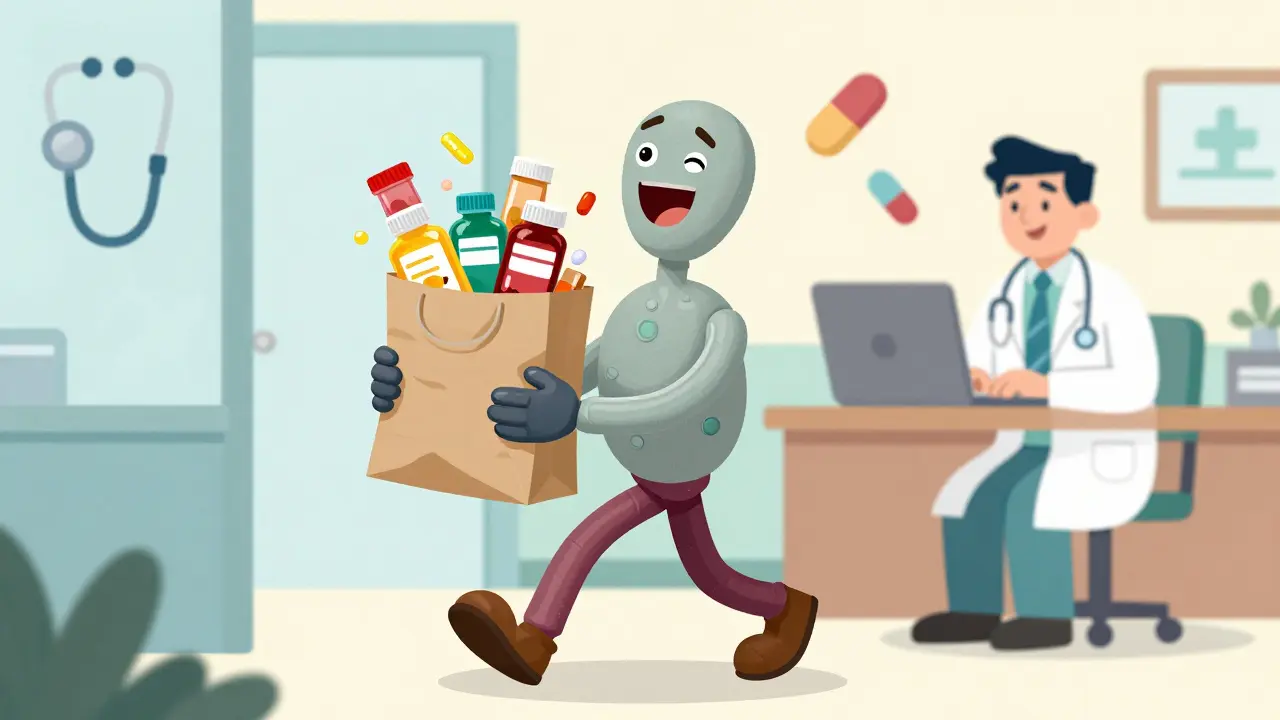
When you walk into a doctor’s office, emergency room, or hospital, the most important thing you can bring isn’t your insurance card or ID-it’s your medication history. Not a guess. Not a list you wrote down last year. Not what you think you’re taking. The full, accurate, up-to-date list of everything you swallow, inject, or apply to your skin. Why? Because mistakes here can kill you.
In the U.S., about 7,000 to 9,000 people die every year from preventable medication errors. That’s more than car crashes or gun violence. And the biggest source of those errors? Incomplete or wrong medication lists. It happens during hospital admissions, after a doctor switch, or even when you’re discharged and sent home with new prescriptions. The system is designed to catch these mistakes-but it only works if you help it.
Why Your Medication List Matters More Than You Think
Most people think they remember their meds. They say, "I take blood pressure pills, a vitamin, and that one for my knee." But when you’re under stress, in pain, or just overwhelmed, memory fails. A 2023 study found that patients accurately recalled only about 60% of their medications when asked. The rest? Missing. Overlooked. Forgotten.
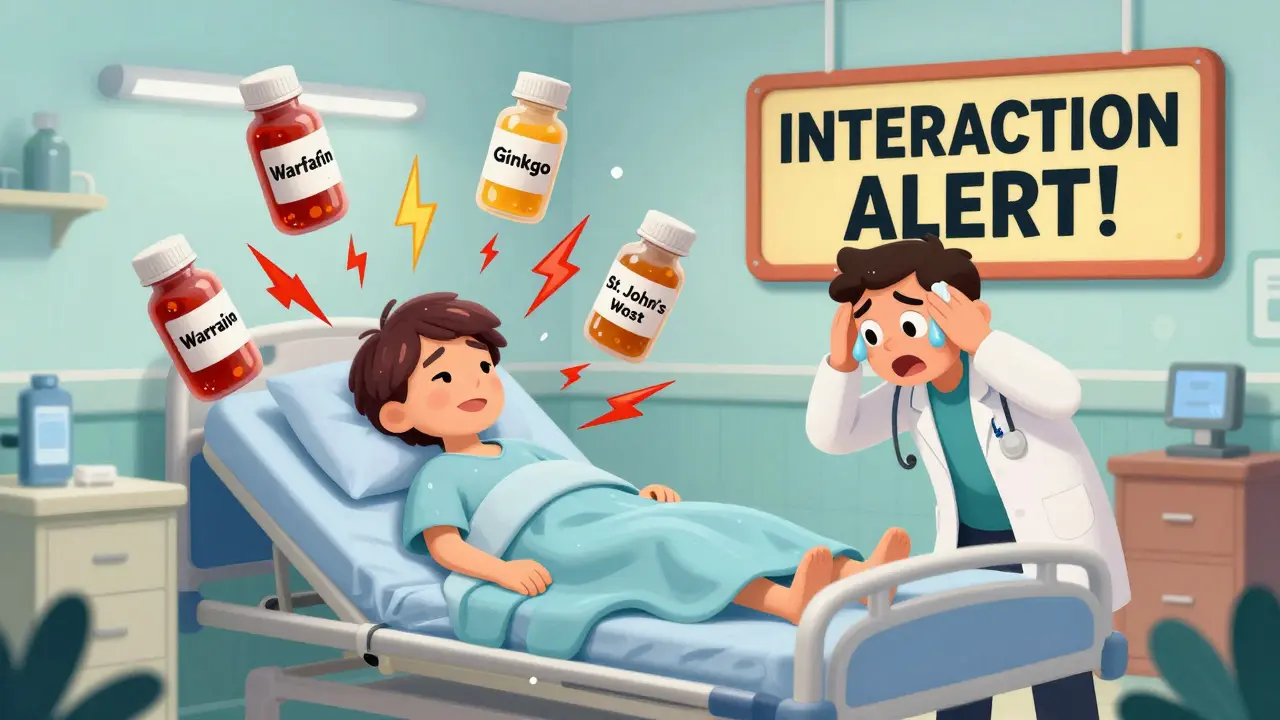
And it’s not just prescriptions. Over-the-counter pills like ibuprofen, melatonin, or antacids? Herbal supplements like turmeric, ginkgo, or St. John’s wort? These aren’t "just natural"-they interact with prescription drugs. One study showed that 67% of patients don’t tell their doctors about OTC meds or supplements, even when they’re taking them daily. That’s dangerous. For example, mixing warfarin (a blood thinner) with ginkgo biloba can cause life-threatening bleeding. Or taking too much acetaminophen on top of a prescription painkiller can damage your liver.
The Joint Commission, which sets safety standards for U.S. hospitals, made medication reconciliation a mandatory practice in 2006. That means every time you’re admitted, transferred, or discharged, your meds must be reviewed and corrected. But even with this rule, studies show that hospitals still miss an average of 1.1 medications per patient during manual checks. Electronic systems catch more-but they’re only as good as the data they get.
How the System Works (And Where It Falls Short)
Hospitals and clinics now use electronic health records (EHRs) and pharmacy databases to pull your medication history. Services like Surescripts connect to 98% of U.S. pharmacies and all major pharmacy benefit managers. In 2024, they delivered over 3.3 billion medication histories. That sounds impressive. But here’s the catch: those records only include what’s been filled through insurance. Cash-pay prescriptions? Forgotten. Pills bought online? Missing. Supplements from the health food store? Not listed.
Even when systems work perfectly, they still miss things. A 2022 study found that pharmacy claims alone were only 61% accurate at identifying a patient’s full medication list. Why? Because people don’t always fill every prescription. They stop taking something. They switch brands. They get samples. The system doesn’t know unless you tell it.
And then there’s the human factor. Doctors and nurses are overloaded. Alerts in EHRs flood them with warnings-"Potential interaction with aspirin"-but 49% of those alerts are ignored because they’re too vague or repetitive. Clinicians start tuning them out. That’s called alert fatigue. It’s a real problem.
What You Can Do Right Now
You don’t have to wait for the system to fix itself. You can take control. Here’s how:
- Keep a living list. Update it after every visit, every new prescription, every change. Include the name, dose, frequency, and reason you take it. Use a notebook, your phone notes, or a free app like Medisafe or MyTherapy.
- Use the brown bag method. Every time you see a provider, bring all your pills in a bag-prescription, OTC, supplements, even the ones you haven’t taken in weeks. Let them see what you actually have. This cuts medication errors by 40% compared to just telling them.
- Know your high-alert meds. These are drugs that can cause serious harm if misused: insulin, blood thinners (like warfarin or Eliquis), opioids, sedatives, and IV medications. Make sure your provider knows you’re taking these and why.
- Ask for a reconciliation summary. At discharge, ask for a written list of what you’re supposed to be taking now. Compare it to your own list. If something’s missing or changed, say so.
- Share your list with a family member. Especially if you’re older or managing multiple conditions. Someone else should know what you’re on, in case you can’t communicate.
One nurse practitioner in Texas told a patient to bring her meds in a bag. The patient showed up with 17 bottles. The provider discovered she was taking four different painkillers at once, two of them overlapping. She’d been doubling up for months. That’s how serious this is.
What Providers Should Do-but Often Don’t
Healthcare workers are supposed to verify your meds at every transition: admission, transfer, discharge. But many don’t. Why? Time. Lack of training. Overworked staff. A 2022 study found that only 52% of medication discrepancies were caught by electronic systems alone. That means nearly half slipped through.
Providers need to stop assuming. Don’t just copy-paste from the last visit. Ask: "Are you still taking all of these?" "Have you started anything new?" "Have you stopped anything?" Use the SBAR method: Situation, Background, Assessment, Recommendation. It’s simple. It works.
Also, use teach-back. Don’t just hand someone a prescription. Ask them to repeat back what they’re supposed to do. Studies show this improves understanding by 75%. If they can’t explain it, you haven’t communicated it.
The Bigger Picture: Why This Isn’t Just About Pills
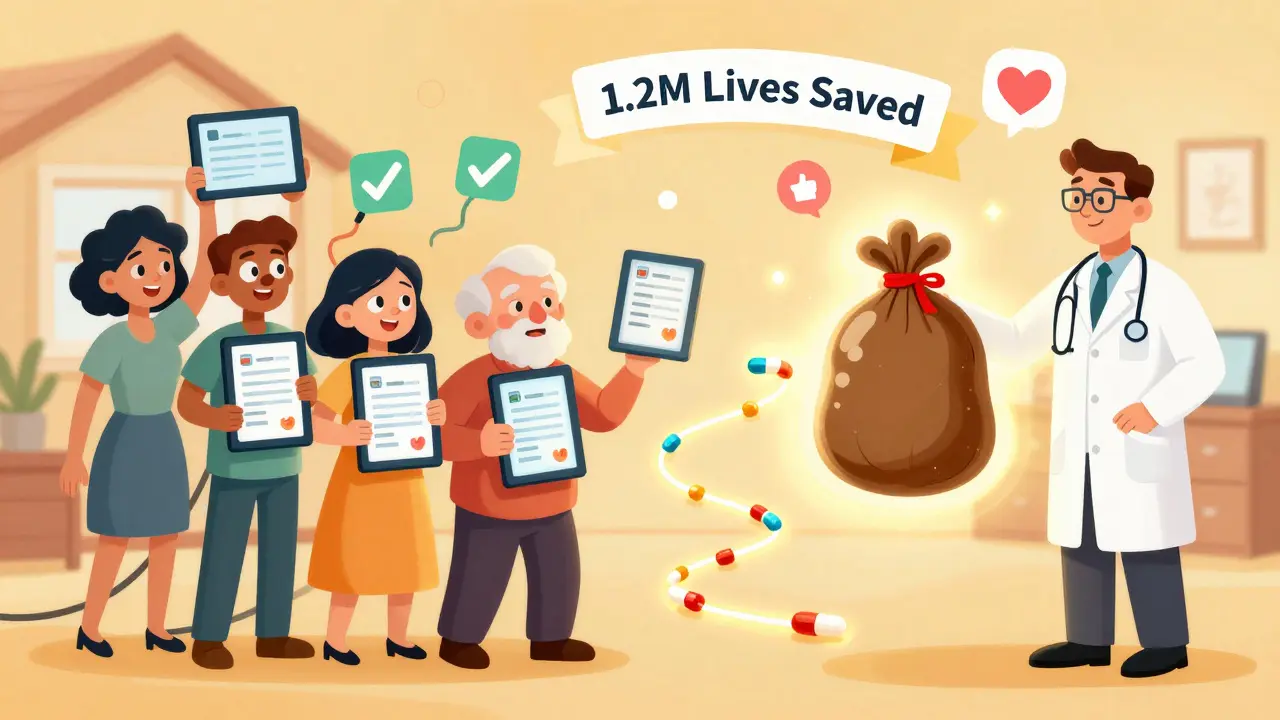
This isn’t just about avoiding a bad reaction. It’s about trust. When your meds are right, you’re less likely to be readmitted. Research shows that for every 10% increase in medication reconciliation accuracy, 30-day hospital readmissions drop by 7.2%. That’s huge. It saves money. It saves lives.
By 2030, experts estimate that universal, accurate medication reconciliation could prevent 1.2 million adverse drug events each year in the U.S.-and save $21 billion. But none of that happens without you.
You’re not just a patient. You’re the most important part of the system. You know what you take. You know how you feel. No algorithm, no EHR, no pharmacist can replace that.
What’s Next?
Technology is getting better. AI tools are being tested to predict drug interactions before they happen. The FDA is pushing for clearer labeling on high-risk meds. Patient portals now let you view your medication list online. But these are tools-not replacements.
The future of safe medication use isn’t in AI. It’s in you. In your willingness to speak up. To update your list. To bring your brown bag. To ask questions. To double-check.
Because when it comes to your health, no one else has the full picture. Only you do.
Why is it so important to tell my doctor about supplements and over-the-counter meds?
Many people think supplements are harmless because they’re sold without a prescription. But that’s not true. Herbs like ginkgo, garlic, or St. John’s wort can interfere with blood thinners, blood pressure meds, or antidepressants. OTC painkillers like ibuprofen or naproxen can raise your blood pressure or damage your kidneys if taken with certain heart or kidney drugs. Even something as simple as vitamin K can make blood thinners like warfarin less effective. If your doctor doesn’t know you’re taking them, they can’t predict dangerous interactions.
What’s the brown bag method, and how does it help?
The brown bag method means bringing all your medications-prescription, OTC, supplements, even expired ones-in a bag to your appointment. It’s simple, but powerful. A 2023 study from the American Society of Health-System Pharmacists found that this approach reduces medication discrepancies by 40% compared to just telling your doctor what you take. Why? Because it removes memory errors. You might forget a pill you take once a week. Or you might not realize you’re still taking a sample from last year. Seeing the actual bottles makes it real.
Can my doctor access my pharmacy records without me saying anything?
In most cases, yes-but only if you’ve given consent. Under HIPAA, providers can access your pharmacy records for treatment purposes, which includes prescribing and reconciling meds. But not all pharmacies share data. Cash-pay prescriptions, mail-order meds, or purchases from small local pharmacies often don’t show up. That’s why even with electronic systems, bringing your own list is still the most reliable way to ensure accuracy.
What if I’m on 10 or more medications? How do I keep track?
Use a digital tool. Apps like Medisafe, MyTherapy, or even a simple spreadsheet on your phone work. List each drug, dose, time of day, and reason. Set reminders. Share the list with a family member or caregiver. Update it after every doctor visit. If you’re overwhelmed, ask your pharmacist to help you organize it. Many pharmacies offer free med reviews. Don’t try to remember it all-use tools. Your life depends on it.
I’m healthy and take only one medication. Do I still need to worry?
Yes. Even one medication can interact with something unexpected. For example, if you’re on a blood thinner and you start taking a new OTC cold medicine, it could increase your bleeding risk. Or if you’re on a statin and you begin taking grapefruit juice daily, it can raise your drug levels to dangerous levels. You don’t have to be on 10 drugs to be at risk. Every medication has potential interactions. Always tell your provider about everything you take-even if you think it’s "not a big deal."
Comments (15)
-
Christina VanOsdol February 23, 2026I can't believe people still think supplements are 'harmless'... 😤 I had a friend go into kidney failure because she was taking turmeric + blood pressure meds. No one asked. No one checked. Just assumed. Bring your brown bag. Seriously. Do it. Now.

-
Alfred Noble February 24, 2026I work in a clinic and let me tell you-most patients think they're being thorough when they say 'I take my blood pressure pill and a vitamin.' Then they pull out 12 bottles from their purse. I've seen everything. Even gummy vitamins with melatonin and zinc. It's wild. The brown bag method? 100% life-saving. We started requiring it last year. ER visits dropped 30% in our unit. 🙌

-
Matthew Brooker February 25, 2026This is so important. I'm a nurse and I've seen too many people get sent home with conflicting meds because the EHR just auto-filled from last time. One guy was on 4 different NSAIDs. He didn't even know. We caught it because his daughter brought the bag. Don't rely on tech. You are the system. Keep updating that list. You're worth it.

-
Joanna Reyes February 26, 2026I used to think I was fine because I only took one prescription-until my doctor pointed out I was also taking three OTC sleep aids, two different fish oil supplements, and a melatonin gummy I'd been 'forgetting' to stop. I thought they were 'just helping me relax.' Turns out, they were raising my blood pressure and interfering with my heart med. I started using MyTherapy. It sends me alerts. I share it with my sister. I update it after every visit. It's not glamorous, but it's saved my life. If you're on even one med, you owe it to yourself to track it. Seriously.

-
Emily Wolff February 28, 2026The data is clear. 67% don't disclose OTCs. That's not ignorance. That's negligence. And 'brown bag' is just a Band-Aid. The real solution is mandatory pharmacist-led reconciliation at every visit. Not optional. Not 'nice to have.' Mandatory. Until then, we're just rearranging deck chairs on the Titanic.

-
Lou Suito February 28, 2026I read this and thought-wait, this is just another corporate scare tactic. Pharma companies want you scared so you'll buy their apps. Surescripts? They're owned by pharmacy chains. They profit when you refill. They don't care if you're taking 17 pills. They care if you're buying. The real issue? Doctors don't listen. They're paid per visit. Not per outcome. So they skip the med review. The system is rigged. Stop trusting 'tools.' Start trusting yourself. And question everything.

-
Khaya Street March 1, 2026I get it. I do. But let's be real-most people don't have time to track 15 meds. Some of us work two jobs, have kids, and can't afford to miss a shift. The system doesn't accommodate us. It punishes us. Yes, I should update my list. But who's gonna help me do it? The nurse? She's got 12 patients ahead of me. This isn't about laziness. It's about design failure.

-
Joseph Cantu March 1, 2026You think this is about meds? Nah. This is about control. They want you to 'track everything' so they can monitor you. AI is already predicting your health based on your pharmacy data. Your supplements? Your OTCs? Your sleep habits? All feeding into some algorithm that decides if you 'deserve' care. I know. I saw the leaked memo. They're building a 'compliance score.' If you don't update your list? You get flagged. Next thing you know, your insurance denies your claim. Don't be fooled. This isn't safety. It's surveillance.

-
Jacob Carthy March 2, 2026Look, I'm American. I take what I need. If I buy something at the gas station, it's my business. Why should some bureaucrat in a hospital care if I take Advil or melatonin? We got the best system in the world. Stop making everything a checklist. People are smart. They know what they need. Stop the nanny state.

-
Lisandra Lautert March 3, 2026I'm a pharmacist. I've seen 3 patients die from undisclosed herbal interactions in the last 6 months. One was 82. Took ginkgo. Was on warfarin. Bleed out in her sleep. No one knew. No one asked. This isn't opinion. This is mortality. Bring the bag. Update the list. Say it out loud. Your life isn't a suggestion.

-
Cory L March 4, 2026I used to think I was too healthy to worry. Then I broke my ankle. Got prescribed oxycodone. Took it for 3 days. Then started taking melatonin gummies because I couldn't sleep. Didn't tell anyone. Two weeks later, I passed out in the grocery store. Turns out, melatonin + opioids = respiratory depression. I almost died. Now I have a color-coded spreadsheet. I show it to every provider. I tell my kids to do the same. You think it's a hassle? Try being the reason your kid has to bury you.

-
Southern Indiana Paleontology Institute March 4, 2026I'm from Indiana and I've seen this happen. My uncle took 8 meds. Never told his doc about the garlic pills he took for 'heart health.' Ended up in ICU. Now he's on dialysis. The system failed him. Not because he was dumb. Because no one asked. So I made a flyer. I hand them out at the VFW. 'Bring Your Pills.' Simple. Effective. We need more of this. Not apps. Not alerts. Just people caring enough to ask.

-
Anil bhardwaj March 4, 2026In India, we don't have EHRs. We don't have apps. We bring our medicines in a cloth bag. We tell the doctor. He writes it down. We trust each other. Maybe the answer isn't more tech. Maybe it's more human. Slow down. Look at the bottles. Listen.

-
lela izzani March 4, 2026I work with elderly patients. Many can't read. Some can't afford to refill. Others forget because of dementia. The brown bag method works-but only if someone helps them carry the bag. We need community health workers to visit homes. Not just clinics. Not just apps. Real people. With time. With patience. With compassion. This isn't about compliance. It's about dignity.

-
Stephen Archbold March 6, 2026I'm Irish and we're not big on 'systems.' But I'll tell you this-my mum took 12 meds. I made her a little notebook. Wrote each one in big print. Added emojis: 💊 for pills, 🌿 for herbs. She loved it. Now she shows it to every doc. I carry it in my wallet. We're not tech-savvy. But we're alive. Because we talked. Simple. Human. No app needed.
