

Imagine rushing into an emergency room only to be told you can't be seen until you swipe your credit card for a pre-authorization hold. Or perhaps you've signed a massive stack of intake forms at a new doctor's office, not realizing you just gave them a blanket permit to handle your payments however they see fit. For too long, the financial side of medicine has felt like a black box, often leaving patients with staggering debt and very little recourse. However, consumer protection laws is a set of regulations designed to prevent predatory financial practices and ensure transparency in how patients are billed for medical services.
While federal laws provide a basic safety net, states like New York have recently stepped up with aggressive new rules to stop the conversion of medical debt into high-interest consumer debt. These laws aren't just bureaucratic red tape; they are designed to keep patients from losing their homes or seeing their credit scores tank because of a health crisis. If you've ever felt blindsided by a medical bill, these regulations are exactly what you need to know about to protect your wallet and your rights.
The Big Shift in Patient Consent
For years, healthcare providers used a single, all-encompassing signature on intake forms to cover everything from the medical treatment itself to how the office would collect money. This "one-size-fits-all" approach often stripped patients of their ability to negotiate payment terms. To fight this, Public Health Law Section 18-c is a New York regulation that mandates healthcare providers obtain separate patient consent for treatment and for payment processes.
This means a doctor cannot simply bundle your agreement to be treated with your agreement to their payment terms. By separating these, the law ensures you aren't forced into predatory financial agreements just to get the care you need. While there has been some confusion and temporary suspensions regarding its enforcement, the core intent remains: your medical care and your financial obligations should be two distinct conversations.
Stopping Predatory Medical Financing
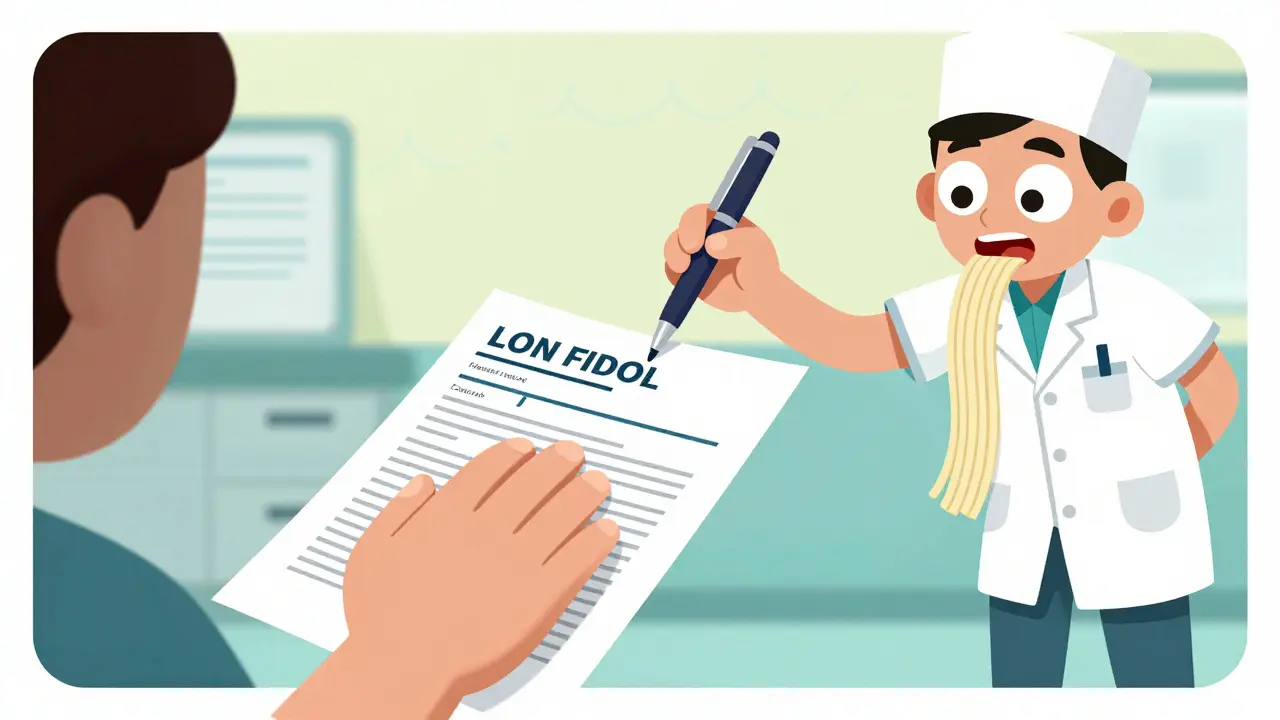
Ever had a receptionist offer to "help" you fill out an application for a medical credit card? While it seems friendly, it can be a trap. Some providers were effectively pushing patients toward specific high-interest loans to ensure the clinic got paid immediately, regardless of whether the loan was a good deal for the patient. General Business Law Section 349-g is a law prohibiting healthcare providers from completing any portion of a patient's application for medical financial products.
This includes popular products like CareCredit®, which is a health-specific credit line. Now, staff can answer your questions, but they cannot hold the pen. The application must be completed wholly by the patient. This prevents clinics from "steering" patients into predatory loans or filling in details that make a loan look more attractive than it actually is. Violating this rule can cost providers up to $5,000 per instance, making it a serious deterrent against financial coercion.
The Danger of Traditional Credit Cards in Medicine
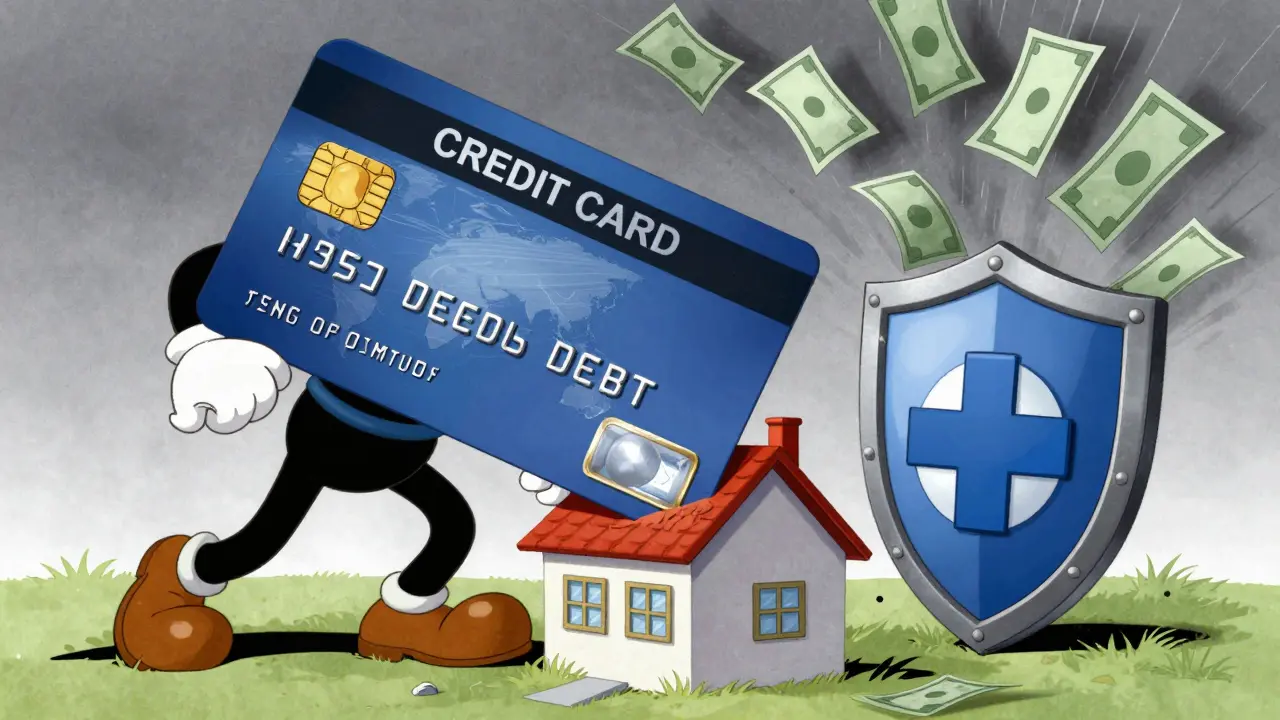
One of the most dangerous traps in medical billing is the use of traditional credit cards for large procedures. Why? Because when you put a medical bill on a standard Visa or Mastercard, that debt is no longer "medical debt" in the eyes of the law-it becomes "consumer debt." This is a critical distinction. Medical debt often has specific protections against wage garnishment and liens on your primary residence. Traditional credit card debt does not.
To address this, General Business Law Section 519-a is a regulation that prohibits providers from requiring credit card pre-authorization or keeping cards on file before providing emergency or medically necessary services.
Moreover, providers are now required to warn you about the risks of using a traditional credit card. They must explain that by doing so, you might be giving up the legal protections that apply to healthcare-specific financing. You shouldn't be forced to hand over your financial security just to get life-saving care.
Comparing State and Federal Protections
You might be wondering how these specific New York rules fit into the bigger picture. While the state laws are very targeted, they work alongside federal mandates to create a layered defense for the patient.
| Regulation | Primary Focus | Key Protection | Scope |
|---|---|---|---|
| No Surprises Act | Surprise Billing | Prevents huge bills from out-of-network providers | Federal |
| HIPAA | Data Privacy | Protects health information from unauthorized leaks | Federal |
| NY GBL 519-a | Payment Methods | Bans credit card holds for emergency care | New York State |
| NY GBL 349-g | Loan Applications | Stops providers from filling out credit apps | New York State |
The Broader War on Medical Debt
These laws didn't appear in a vacuum. They are a response to a genuine crisis. According to the Consumer Financial Protection Bureau (CFPB), nearly 100 million Americans hold roughly $195 billion in medical debt. When people can't pay, the debt often ends up in collections, which destroys credit scores and makes it impossible to rent an apartment or get a car loan.
In a major win for consumers, the CFPB finalized a rule to remove medical bills from credit reports. This is a massive shift because it recognizes that a medical emergency isn't a "financial failure" in the way that missing a credit card payment is. By removing these marks, the government is trying to stop the cycle where a health crisis leads to a permanent financial crisis.
Red Flags: When to Question Your Provider
How do you know if your rights are being violated? Keep an eye out for these specific scenarios:
- The "All-in-One" Form: If you're asked to sign one page that grants consent for both surgery and credit collection, ask for a separate payment agreement.
- The "Helpful" Assistant: If a staff member insists on filling out your CareCredit® or other loan application for you, stop them. You should be the only one entering your data.
- The Credit Card Hold: If a clinic demands your credit card information before they will even evaluate an emergency, they may be violating laws like GBL 519-a.
- The Missing Warning: If you're paying by credit card and the provider doesn't mention that you're losing medical-debt-specific protections, they aren't following the transparency guidelines.
Practical Steps for Patients
Navigating the legal side of healthcare is intimidating, but you have more power than you think. Start by asking for a Good Faith Estimate before any non-emergency procedure. This is a federal right under the No Surprises Act that gives you a clear idea of the cost before you agree to treatment.
If you find yourself facing medical debt, check if your provider offers a financial assistance policy. Many hospitals are required to have these to maintain their tax-exempt status. Furthermore, if you are forced into a payment plan, ensure it is documented in a separate agreement from your medical consent form. If a provider refuses to follow these rules, you can report them to the state Department of Health or the Attorney General's office.
What is the No Surprises Act?
The No Surprises Act is a federal law that went into effect on January 1, 2022. It protects patients from "surprise bills" that occur when you receive emergency care or certain non-emergency care from an out-of-network provider at an in-network facility. It essentially caps the amount you can be charged for these services at the in-network rate.
Why is it bad to use a regular credit card for medical bills?
When you use a traditional credit card, your medical debt is converted into consumer debt. Medical debt often has special legal protections-such as limitations on how creditors can garnish wages or put liens on your home. Once it becomes a credit card balance, those protections disappear, and you are subject to the harsher terms of the credit card company.
Can a doctor's office help me fill out a medical loan application?
In New York, the answer is no. Under General Business Law Section 349-g, providers cannot complete any part of the application for you. They can answer your questions and provide information, but the actual filling out of the form must be done entirely by the patient to prevent predatory steering.
What happens if a provider ignores these laws?
Providers face significant fines. For example, violating the rule on separate consents (Section 18-c) can lead to fines of $2,000 per incident, while violating the medical financial product application rules (Section 349-g) can result in fines up to $5,000 per violation.
Do these laws apply to every state in the US?
No. While the No Surprises Act and HIPAA are federal laws and apply nationwide, the specific regulations regarding separate consent and credit card pre-authorization mentioned here are New York State laws. However, other states are expected to follow this trend and implement similar protections.
Next Steps for Patients and Providers
If you are a patient, your next move is to audit your current medical agreements. If you've signed