

The Double-Edged Sword of Immune Suppression
If you have been diagnosed with an autoimmune condition, your doctor has likely mentioned corticosteroids powerful anti-inflammatory medications that mimic cortisol. These drugs can feel like a miracle when inflammation is raging in your joints or lungs. However, they carry significant risks if used incorrectly. Understanding the balance between immediate symptom relief and long-term health is critical for anyone managing chronic autoimmune disorders.
Corticosteroids were first developed in the 1940s after researchers isolated cortisone at the Mayo Clinic. Today, they remain among the most prescribed medications globally for treating conditions where the immune system attacks the body. But how do they actually work, and why is the medical community pushing for lower doses combined with newer drugs?
How Steroids Fight Inflammation
To understand why these medications are so effective, you need to look at the cellular level. Corticosteroids, also known as glucocorticoids, bind to receptors found on almost every cell in the human body. When they attach to these receptors, they send signals that decrease the production of inflammatory proteins. Essentially, they act as an emergency brake for your immune system.
Specifically, these drugs inhibit genes responsible for expressing pro-inflammatory cytokines like tumor necrosis factor-alpha and interleukins. They also stop phospholipase A2, which produces numerous inflammatory mediators. This rapid mechanism is why corticosteroids provide relief within hours to days, whereas other immunosuppressants like methotrexate may take weeks to show effect. For aggressive conditions like Wegener's granulomatosis, this speed is vital.
Common Autoimmune Conditions Treated
Not every autoimmune disease responds well to steroid therapy. While they are highly effective for many systemic issues, their efficacy varies significantly by diagnosis. Here are the major conditions where doctors typically prescribe them:
- Rheumatoid Arthritis (RA): Reduces joint swelling and pain quickly, often used while waiting for slower-acting drugs to kick in.
- Systemic Lupus Erythematosus (SLE): Controls flare-ups involving kidneys, skin, and joints.
- Inflammatory Bowel Disease (IBD): Helps calm intestinal inflammation in Crohn's disease and ulcerative colitis.
- Asthma: Often inhaled versions reduce airway swelling, though oral forms treat severe exacerbations.
- Allergic Rhinitis: Intranasal sprays manage chronic nasal congestion effectively.
Conversely, research indicates corticosteroids are ineffective for four specific diseases: adult advanced type 1 diabetes mellitus, Hashimoto's thyroiditis, Graves' disease, and advanced primary biliary cholangitis. In cases where damage to secreting cells is already partial or complete, suppressing the immune system won't restore function.

Long-Term Side Effects and Risks
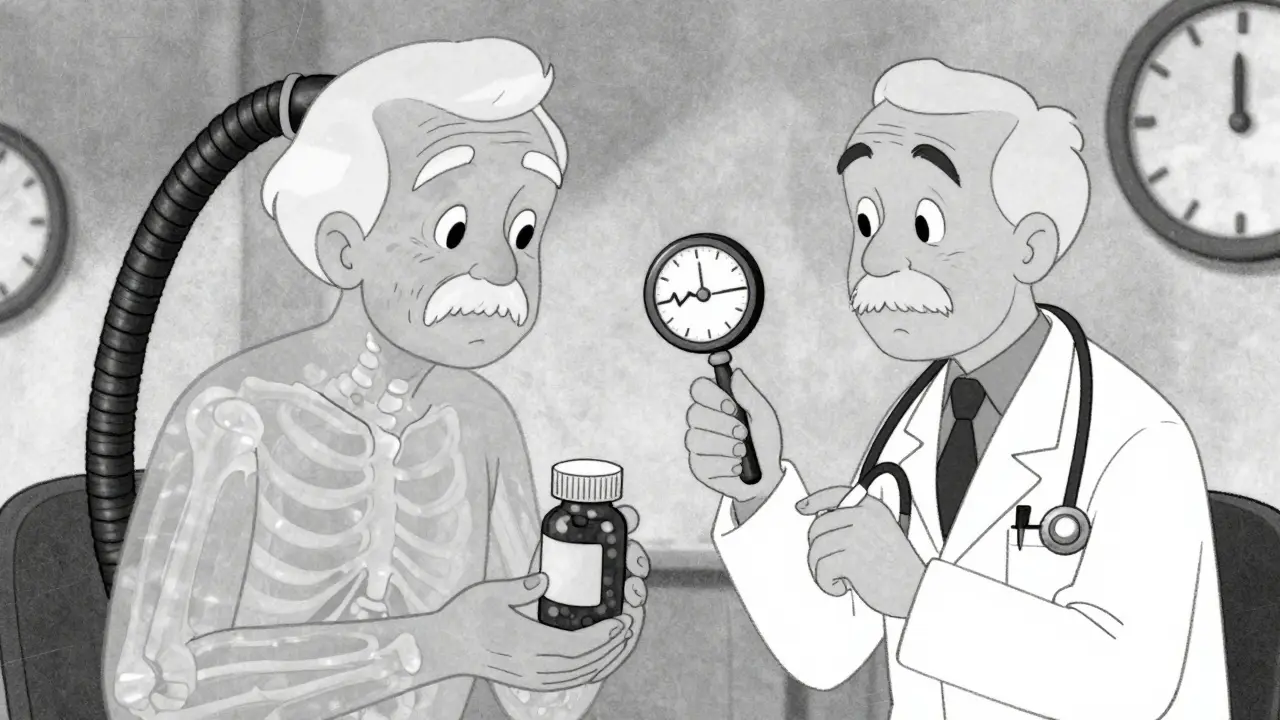
The potency that makes corticosteroids useful also makes them dangerous when used chronically. High-dose therapy elicits necessary immunosuppressive effects for symptomatic relief, but the adverse effects can be severe. Many patients report side effects such as weakened bones and cataracts after prolonged use.
| Primary Health Risks | |
|---|---|
| Osteoporosis | Reduces bone density, increasing fracture risk significantly |
| Adrenal Insufficiency | Suppression of the hypothalamic-pituitary-adrenal (HPA) axis |
| Cataracts | Possible development of eye clouding over time |
| Skin Changes | Sensitivity to sunlight and changes in skin color |
One of the most serious concerns is adrenal insufficiency. If you take steroids for more than three weeks or more than 10 mg of prednisone daily, your body may stop producing its own natural cortisol. When you stop taking the medication suddenly, your body cannot produce enough stress hormones to handle physical demands. This is why evening doses increase the risk of HPA suppression even further.
Managing Dosage and Combination Therapies
The current medical consensus aims to achieve therapeutic targets with the minimum effective dose. Recent studies suggest combining glucocorticoids with newer biologics allows doctors to lower the steroid load while maintaining control. For example, adding rituximab to corticosteroids significantly increased response rates in patients with autoimmune hemolytic anemia compared to steroids alone.
- Start Low: Begin with the lowest dose possible to induce remission.
- Taper Slowly: Do not stop abruptly; gradually reduce dosage to allow the adrenal glands to recover.
- Monitor Regularly: Track bone density, blood sugar, and eye health consistently.
- Combine Smartly: Use steroid-sparing agents like azathioprine to reduce relapse risk.
For some pathologies, topical administration partially resolves side effects. In asthma, inhaling the drug means less reaches the rest of the body, sparing organs from systemic toxicity. However, oral therapy typically begins with 1-2 mg/kg prednisone for systemic diseases, depending on severity.
Why Doctors Are Changing Their Approach
The landscape of autoimmune treatment is shifting. Dr. Eric Topol, Director of the Scripps Research Translational Institute, noted in a 2021 review that while corticosteroids remain the most potent anti-inflammatory agents available, their long-term toxicity profile necessitates careful risk-benefit analysis. The goal is no longer just stopping symptoms; it is preventing organ damage without causing new ones.
Recent research focuses on minimizing long-term corticosteroid use through combination therapies. Since GILZ is a pivotal intermediate of glucocorticoid anti-inflammatory actions, pharmaceutical companies are researching GILZ protein-based drugs. Several rare diseases share common altered immune responses, including uncontrolled B cell activation seen in insulin autoimmune syndrome and autoimmune bullous disease. These emerging treatments aim to replace heavy steroid reliance entirely.
Frequently Asked Questions
Can corticosteroids cure autoimmune diseases permanently?
No. They suppress symptoms and induce remission but do not cure the underlying genetic or environmental causes of the condition.
How long does it take for steroids to work?
Unlike methotrexate, which takes weeks, corticosteroids often provide symptom relief within hours to days due to their direct inhibition of inflammatory genes.
What are the signs of adrenal suppression?
Signs include low early morning cortisol levels after omitting therapy for 24 hours. Patients usually require tapered withdrawal rather than sudden cessation.
Are there safer alternatives to oral steroids?
Yes, topical inhalers for asthma reduce systemic exposure. Additionally, biologic agents like rituximab offer targeted options that spare the whole body.
Do corticosteroids work for Type 1 Diabetes?
They are generally ineffective for adult advanced Type 1 diabetes because beta-cell damage is often irreversible, though early stages might see some benefit.
Comments (10)
-
Victor Ortiz March 30, 2026
The mechanism described misses key details regarding receptor binding specificity. Most readers focus on the outcome rather than the cellular interaction pathways involved. Glucocorticoid receptors act through nuclear translocation mechanisms frequently overlooked. Binding affinity varies significantly between different synthetic steroids available today. Understanding pharmacokinetics is essential before prescribing these powerful compounds. Half-life differences determine dosing schedules more than efficacy alone. Many practitioners skip explaining the genetic expression modulation entirely. This oversight leads to misunderstanding why methotrexate acts slower. Speed of onset does not equate to safety profile improvements. Long term exposure requires regular HPA axis monitoring protocols.

-
Amber Armstrong March 31, 2026
Living with autoimmune disease feels like your own body is fighting you constantly. You try to explain the invisible pain to people who cannot see it. Steroids sound scary at first glance though. Many people worry about the side effects listed here. Bone density loss is a real concern for older patients. Eye health matters just as much as joint pain does. Adrenal suppression means stopping cold turkey is dangerous. Slow tapering gives your glands time to recover function. Monitoring blood sugar levels keeps diabetes risks low. Skin changes bother people more than they admit sometimes. Sun sensitivity becomes a major issue during summer months. Weighing benefits against risks is the hardest part medically. Doctors try their best to find the lowest effective dose. Newer drugs help reduce the total steroid load significantly. Combination therapy offers hope for better long-term outcomes. Everyone deserves relief without paying a heavy physical price later.

-
sanatan kaushik April 1, 2026
doctors push this too much and ignore the risks. People lose bones because nobody checks x-rays often enough. Insurance companies want cheap treatment options regardless of harm. Just stop taking pills before you break a hip walking home.

-
Debbie Fradin April 2, 2026
Oh great another miracle drug until you turn into jelly. They love selling chemicals that fix nothing permanently. Patients spend decades trying to reverse the metabolic damage done. Side effect lists look worse than the actual disease symptoms sometimes. Hopefulness is just marketing for pharmaceutical profit margins.

-
RONALD FOWLER April 3, 2026
info is good here i agree with tapering advice. slow reduction helps adrenal function recover naturally over time. watch for skin thinning and moon face signs carefully. bone scans are important yearly for sure. thanks for sharing the table on side effects.

-
Beccy Smart April 4, 2026
Totally ignoring the liver damage risks here 🙄

-
Jonathan Alexander April 6, 2026
This information could save countless lives overnight!! I almost forgot how vital the morning cortisol timing actually is. My family was terrified of needles but oral works well too. Please share this with anyone suffering right now!!! The difference in quality of life is massive after tapering correctly.

-
emma ruth rodriguez April 8, 2026
Indeed; the scientific consensus supports receptor binding specificity; however; clinical application remains complex! Furthermore; glucocorticoid resistance occurs in specific genotypes! Consequently; monitoring must remain rigorous and frequent!

-
Rick Jackson April 8, 2026
Balance is the eternal truth we seek. Relief comes with cost always. Nature demands payment eventually. We accept medicine hoping for grace. Grace is found in moderation primarily.

-
Jonathan Sanders April 8, 2026
Why hope is pointless when the side effects ruin lives. Everyone smiles at the clinic but bleeds internally at home. Energy drains away faster than the inflammation ever did. Medicine feeds on human suffering to survive financially.
