
Home Medicine Safety: Avoid Errors, Protect Your Family, and Use Drugs Right
When it comes to home medicine safety, the practices that prevent accidental overdoses, mix-ups, and harmful interactions in everyday living spaces. Also known as medication safety at home, it’s not just about keeping pills out of reach—it’s about building habits that stop mistakes before they happen. Every year, over 200,000 people end up in the ER because of home medicine errors. Most of these aren’t from illegal drugs or wild overdoses. They’re from someone grabbing the wrong bottle, forgetting they already took a dose, or storing insulin next to the peanut butter because the cabinet’s messy.
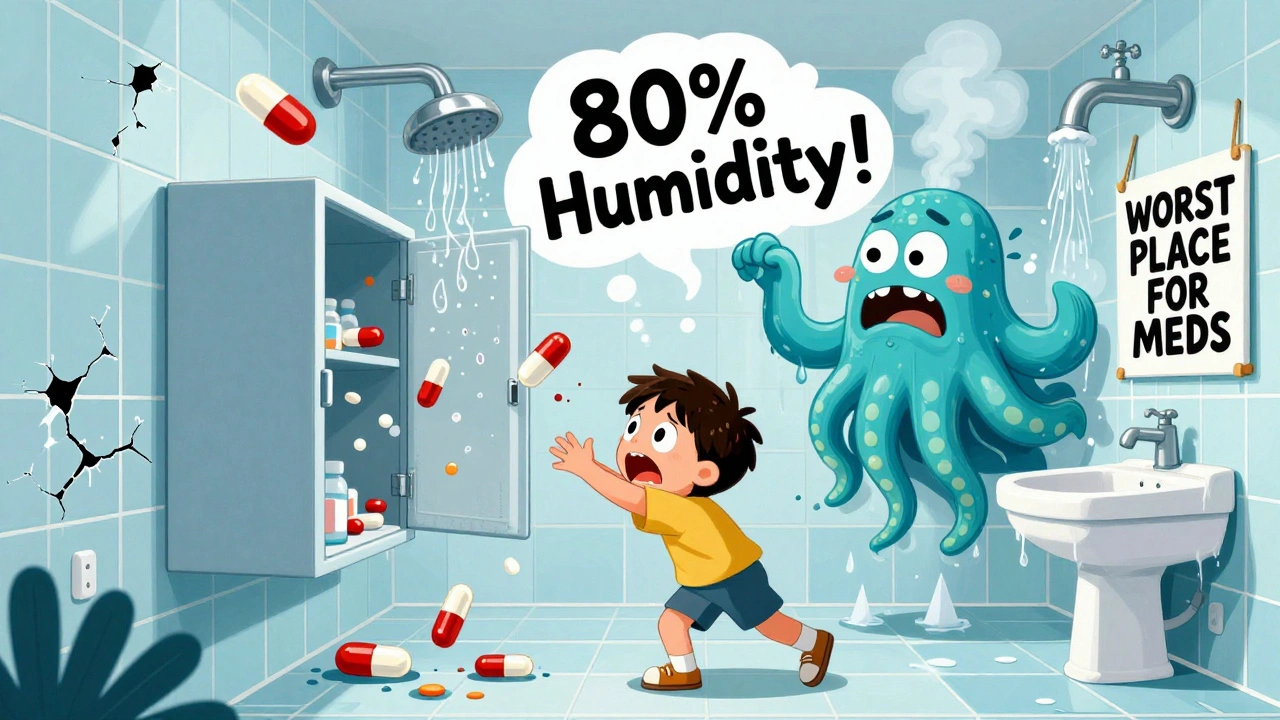
Medication errors, mistakes in taking, giving, or storing drugs that lead to harm happen because we assume we know what’s in the bottle. But look-alike names like Hydroxyzine and Hydralazine, or pills that look identical, trick even careful people. And drug storage, how medicines are kept at home to prevent spoilage, misuse, or access by children is often an afterthought. Storing pills in the bathroom? That’s a bad idea—humidity ruins them. Leaving them on the kitchen counter where kids can grab them? That’s a risk. Keeping old antibiotics in the drawer "just in case"? That’s how resistant infections start.
Reading your FDA drug labels, the official printed information that tells you how to use a drug safely, including warnings and interactions isn’t optional. It’s your first line of defense. That tiny print on the bottle? It tells you when to take it, what to avoid mixing it with, and what side effects mean trouble. If you don’t read it, you’re guessing. And guessing with medicine isn’t just risky—it’s dangerous. People think side effects are allergies. They’re not. One’s a predictable reaction. The other’s a life-threatening immune response. Mixing them up can lead to worse treatments, higher costs, and real harm.
Home medicine safety isn’t about perfection. It’s about simple, repeatable habits. Check the label before every dose. Store meds in one locked place—not scattered across the house. Throw out expired pills properly, and wipe off labels so your health data doesn’t end up in the trash where someone else can read it. Teach kids early: medicine isn’t candy. And if you live with others, make a plan—someone’s asthma inhaler shouldn’t be next to your blood pressure pill.
What follows are real, practical guides from people who’ve seen the damage caused by sloppy habits. You’ll learn how to stop Fournier’s gangrene linked to diabetes drugs, how to read FDA labels like a pro, why iron levels affect restless legs, and how to keep meds safe in shared homes with kids or seniors. These aren’t theory pieces. They’re field reports from the front lines of home medicine safety. Read them. Use them. And keep your family safe.
How to Create a Home Medication Storage Checklist for Safety and Effectiveness
Haig Sandavol Dec 8 10Learn how to create a home medication storage checklist that prevents accidental poisonings, keeps drugs effective, and protects kids and seniors. Follow expert-backed steps for safe storage, expiration tracking, and proper disposal.
More Detail