
Antibiotic Generics: What They Are, How They Work, and What You Need to Know
When you hear antibiotic generics, lower-cost versions of brand-name antibiotics that contain the same active ingredients and meet the same FDA standards. Also known as generic antibiotics, they are the backbone of affordable treatment for infections like pneumonia, urinary tract infections, and skin abscesses. Most people don’t realize that over 90% of antibiotics prescribed in the U.S. today are generics. They’re not cheaper because they’re weaker—they’re cheaper because the patent expired and other companies can make them without repeating expensive clinical trials.
There’s a big myth out there that generics are "second-rate." That’s not true. The FDA requires them to deliver the same amount of medicine into your bloodstream as the brand name, within a tiny margin of error. Take amoxicillin, for example. Whether you get it as Amoxil or a generic, your body treats it the same way. The fillers, colors, or shape might be different—but the active ingredient? Identical. That’s why doctors routinely switch patients to generics. It’s not a compromise—it’s smart medicine.
But not all generics are created equal in practice. Some people report different side effects or feel like a generic didn’t work as well. That’s usually not because the drug is flawed—it’s because of how your body reacts to tiny differences in inactive ingredients, or because you’re not taking it exactly as directed. If you switch from one generic to another (say, from one manufacturer to another), your body might notice the change. That’s why it’s smart to stick with the same brand of generic unless your pharmacist or doctor says otherwise.
Antibiotic generics are also a major factor in fighting drug resistance. When antibiotics are too expensive, people skip doses or share pills. That’s how superbugs grow. Cheaper generics mean more people finish their full course, which slows resistance. In low-income countries, access to affordable antibiotics saves lives daily. In the U.S., they keep millions of people out of the ER and off IV drips.
Some common antibiotic generics, including amoxicillin, doxycycline, cephalexin, and azithromycin are available for under $10 a course at most pharmacies. Compare that to the $100+ price tag of the original brand names. You’re not paying extra for better results—you’re paying for marketing and patents. The science doesn’t care which label it’s under.
Still, knowing what to look for matters. Always check the active ingredient on the bottle. If it says "amoxicillin trihydrate" and the brand name says the same thing, you’re good. Avoid generics with weird side effects you haven’t seen before—talk to your pharmacist. And never use leftover antibiotics. Even if it’s a generic, an old dose won’t help a new infection and could make things worse.
There’s a lot of confusion around how generics are tested. They don’t need to redo human trials, but they do go through strict bioequivalence tests. That means scientists measure how fast and how much of the drug gets into your blood. If it’s within 80–125% of the brand name’s levels, it’s approved. No shortcuts. No guesswork. Just science.
What you’ll find in the posts below isn’t just a list of articles—it’s a real-world guide to how these drugs behave, how to use them safely, and what hidden risks you might not know about. From how to spot counterfeit generics to why some people react differently to certain brands, these posts cut through the noise. You’ll see how antibiotic safety connects to things like medication storage, drug interactions, and even privacy when disposing of old prescriptions. No fluff. No hype. Just what works—and what doesn’t.
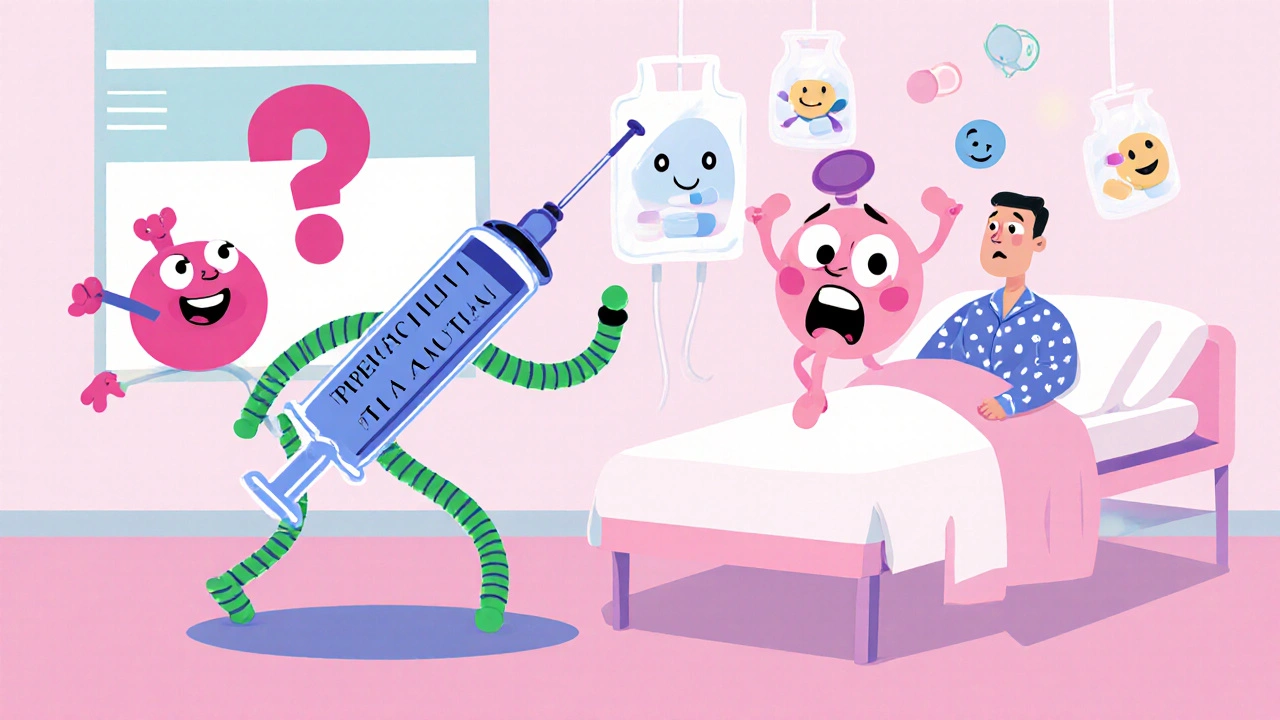
Antibiotic Combination Products: Generic Availability and What It Means for Patients
Haig Sandavol Nov 25 9Generic antibiotic combination products are available and can cut costs by up to 80%, but regulatory and legal barriers limit their use. Learn how they work, why access is uneven, and what patients and providers can do.
More Detail