

If you live with irritable bowel syndrome (IBS), you’ve probably tried everything to stop the bloating, cramps, and unpredictable bathroom trips. Diets come and go, but only a few have real science behind them. The low-FODMAP diet, low-residue diet, and elimination diet are the three most talked-about approaches - but they’re not the same. Knowing the difference can save you months of guesswork and unnecessary restrictions.
What Is the Low-FODMAP Diet and How Does It Work?
The low-FODMAP diet isn’t just another gluten-free or dairy-free trend. It’s a clinically proven, three-phase plan developed by researchers at Monash University in Australia. FODMAP stands for Fermentable Oligosaccharides, Disaccharides, Monosaccharides, and Polyols - a mouthful for a simple idea: certain carbs pull water into the gut and get fermented by bacteria, causing gas, pain, and diarrhea in people with IBS.
Phase 1 is strict elimination. For 2 to 6 weeks, you cut out all high-FODMAP foods. That means no garlic, onions, wheat, apples, honey, milk, or artificial sweeteners like sorbitol. You don’t just reduce them - you remove them entirely. Portion size matters too. A teaspoon of garlic is fine, but two is too much. The Monash FODMAP app, used by over 2 million people, tells you exactly how much is safe.
Phase 2 is the real magic. You slowly bring back one FODMAP group at a time - like fructans in wheat or lactose in dairy - using specific doses. For example, you might test 3 grams of fructans (about 1 slice of white bread) and track symptoms for 3 days. This isn’t guesswork. You’re finding your personal trigger points. Most people find they can tolerate 50-80% of the foods they cut out, just not all at once.
Phase 3 is your personalized diet. You don’t need to stay on the strict version forever. The goal is to eat as widely as possible without symptoms. Studies show 75-80% of IBS patients see major improvement, especially with bloating and diarrhea. But skip phase 2, and you’ll likely stay overly restricted - and miss out on healthy foods.
Low-Residue Diet: When Less Fiber Helps
The low-residue diet has been around since the 1940s, originally used before colon surgery or during flare-ups of Crohn’s disease. It’s not designed for IBS, but some doctors still recommend it - especially for people with severe diarrhea.
This diet cuts fiber to 10-15 grams a day (most adults need 25-38). That means no raw fruits, no vegetables with skins, no nuts, seeds, or whole grains. Even beans and lentils are off-limits. You eat white bread, refined pasta, lean meats, eggs, and cooked, peeled vegetables like carrots or potatoes. Dairy is limited to lactose-free versions.
Why does it work for some? Less fiber means less bulk in the stool, fewer contractions in the gut, and faster transit. For someone with IBS-D (diarrhea-predominant), this can reduce bathroom frequency. But it’s not a long-term fix. After 4-6 weeks, nutrient gaps show up - folate drops by 35%, calcium by 25%. And for IBS-C (constipation-predominant), this diet makes things worse.
Compared to low-FODMAP, the low-residue diet is blunt. It doesn’t tell you which food is the problem - it just removes everything that adds bulk. You might feel better for a few weeks, but you’re not learning anything. And once you go back to normal eating, symptoms return.
General Elimination Diet: A Broader Net
Elimination diets are simpler but less precise. You cut out common irritants - dairy, gluten, caffeine, alcohol, spicy foods - for 2 to 4 weeks. Then you add them back one by one to see what triggers symptoms.
This approach is popular because it’s easy to start. No apps needed. You just avoid the usual suspects. But here’s the catch: 70% of people who try this on their own misidentify their triggers. Why? Because multiple foods can cause similar symptoms, and timing is messy. If you cut out gluten and dairy at the same time and feel better, you don’t know which one helped.
Unlike FODMAP, there’s no standard dosing. You don’t know how much lactose or fructose you’re actually consuming. And many people eliminate foods they don’t need to - like gluten, which only affects about 1 in 100 people with IBS. A 2023 study found only 30% of self-guided elimination dieters correctly pinpointed their real triggers. That’s why it’s better as a starting point, not a solution.
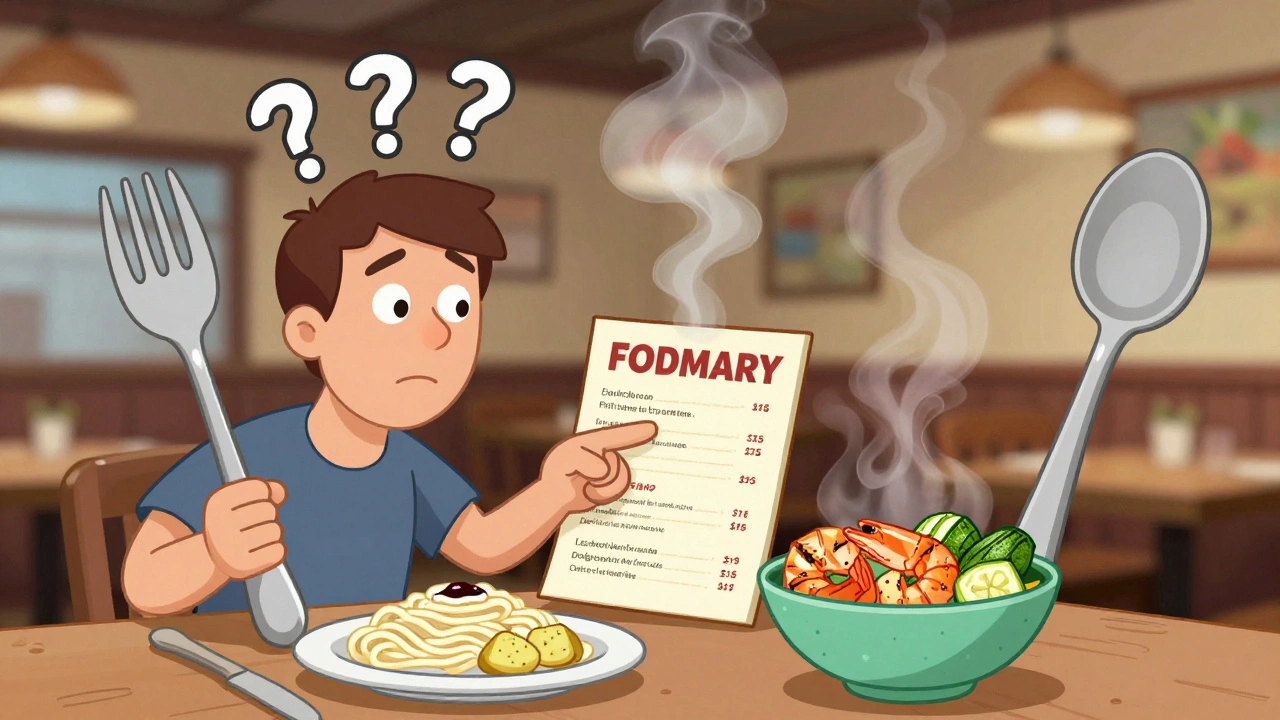
Which Diet Is Right for You?
Let’s break it down:
| Feature | Low-FODMAP Diet | Low-Residue Diet | General Elimination Diet |
|---|---|---|---|
| Primary goal | Identify specific carb triggers | Reduce stool volume | Find general food sensitivities |
| Best for | Bloating, pain, IBS-D | Severe diarrhea (short-term) | Unclear triggers, no access to specialist |
| Typical symptom improvement | 75-80% | 45-50% | 40-50% |
| Duration | 3-6 months (with reintroduction) | 2-6 weeks | 2-4 weeks |
| Long-term sustainability | High - personalized | Low - nutrient risks | Medium - depends on follow-up |
| Requires professional help? | Strongly recommended | Optional | Helpful but not required |
For most people with IBS, the low-FODMAP diet is the best place to start - if you’re willing to do the work. It’s the only one that teaches you what you can eat, not just what to avoid. Low-residue diets are only useful for brief, severe flare-ups. And general elimination diets? They’re a decent first step if you can’t see a dietitian yet.
Real People, Real Results
On Reddit’s r/FODMAP community, over 78% of users who completed all three phases reported major symptom relief. One user wrote: “After 15 years of daily diarrhea, I was symptom-free in 3 weeks. I didn’t just feel better - I got my life back.”
But it’s not easy. The same community reports that 65% of people struggle with the reintroduction phase. Some panic when symptoms come back after eating a slice of apple. Others skip it entirely and stay on the strict diet for years, missing out on fruits, whole grains, and healthy fats.
Success stories usually involve one thing: professional guidance. People who worked with a registered dietitian trained in FODMAPs had 85% compliance. Those who went it alone? Only 45% stuck with it.
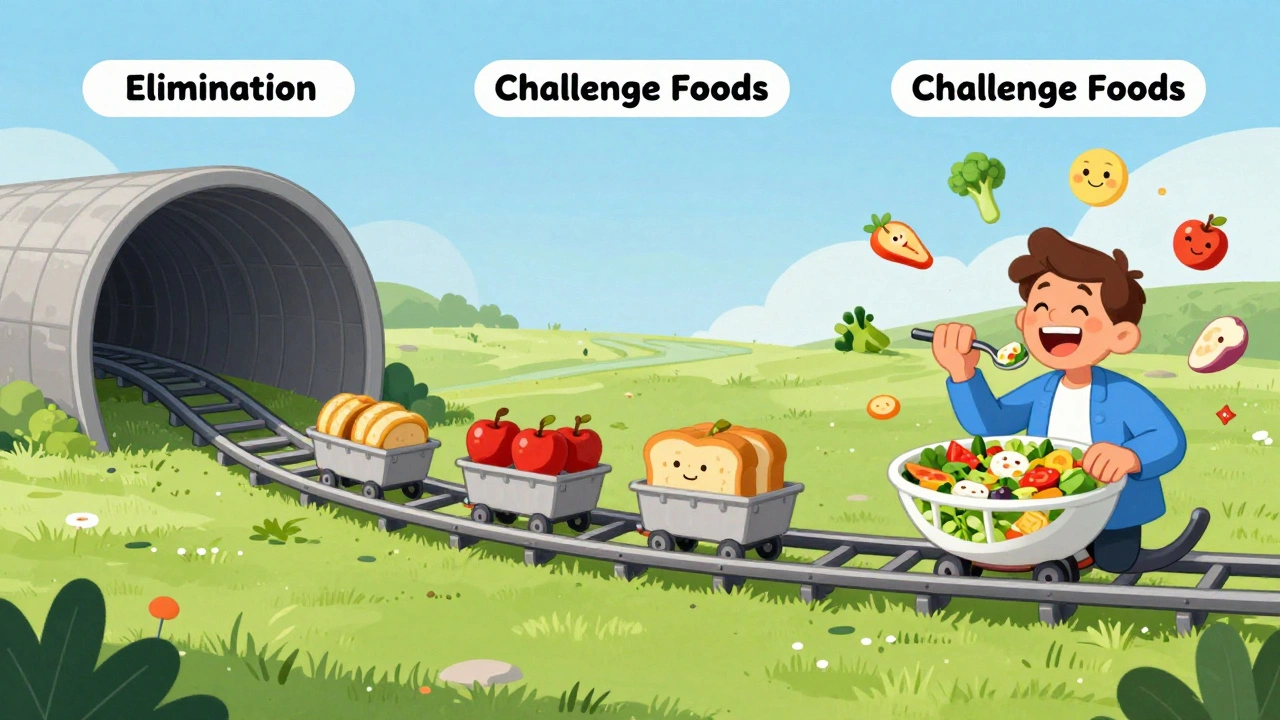
What You Need to Get Started
You don’t need fancy equipment, but you do need tools:
- Monash FODMAP app - $9.99/month or $49.99/year. It’s the gold standard. Scans barcodes, shows safe portions, and has a symptom tracker.
- Food scale - Get one that measures in grams. A tablespoon of honey might be okay, but two is not.
- Symptom journal - Write down what you eat and how you feel within 2 hours. Don’t rely on memory.
- Low-FODMAP shopping list - Download one from Monash University’s website. Stick to it.
Hidden FODMAPs are everywhere. Look for inulin, chicory root, honey, agave, high-fructose corn syrup, and wheat in “healthy” snacks. Even some protein bars and gluten-free breads are loaded with them.
Don’t try to do this alone. If you can’t find a certified FODMAP dietitian in your area, look for telehealth services. Monash has a directory of certified providers in 37 countries. Many insurance plans cover dietitian visits for IBS.
When to Avoid These Diets
These diets aren’t for everyone. If you have an eating disorder, the low-FODMAP diet can worsen anxiety around food. The American VA Whole Health Library advises against it in 15% of IBS cases. If you’re underweight, pregnant, or have diabetes, talk to your doctor first.
Low-residue diets are dangerous long-term. They can cause nutrient deficiencies and make constipation worse. General elimination diets can lead to unnecessary restrictions - like cutting out gluten if you’re not sensitive to it.
And remember: these diets don’t cure IBS. They help you manage it. The goal isn’t perfection - it’s freedom. Freedom to eat without fear. Freedom to go out to dinner. Freedom to live without constant bloating.
What’s Next for IBS Diets?
Science is moving fast. Monash University’s new app version (5.2, released September 2023) includes AI meal planning and over 1,200 new foods. Researchers are testing blood and stool markers to predict who will respond to FODMAP diets - before you even start.
By 2026, many doctors expect FODMAP tracking to be built into electronic health records. Insurance companies are starting to cover the cost of dietitian visits. The future isn’t about more restrictions - it’s about smarter, personalized plans.
Right now, the low-FODMAP diet is the most powerful tool we have for IBS. But only if you use it right. Don’t just cut foods. Learn why they affect you. And don’t stop at phase one. The real win is finding what you can eat - not just what you can’t.
Can I do the low-FODMAP diet without a dietitian?
Yes, but it’s harder and less effective. Studies show people who work with a dietitian have 85% compliance and better symptom control. Without help, 35% skip the reintroduction phase and stay overly restricted. You can use the Monash FODMAP app and free online guides, but professional guidance reduces mistakes and improves long-term results.
How long does it take to see results on the low-FODMAP diet?
Most people notice improvement in 2 to 6 weeks during the elimination phase. Some feel better in just 10 days. But the full benefit comes after reintroduction - when you learn your personal triggers. Rushing this step means you won’t know what you can safely eat long-term.
Is the low-residue diet better than low-FODMAP for diarrhea?
For short-term relief of severe diarrhea, yes - low-residue can reduce stool volume faster. But it doesn’t address the root cause like FODMAPs do. After 6 weeks, you’ll likely lose nutrients and feel worse. The low-FODMAP diet reduces diarrhea in 75% of cases and lets you eat more foods long-term. It’s the smarter choice for lasting relief.
Can I eat out on the low-FODMAP diet?
Yes, but it takes planning. Choose simple dishes: grilled chicken or fish with steamed vegetables (no garlic or onion), plain rice, or potatoes. Ask for sauces on the side. Many restaurants now offer low-FODMAP options - check Monash’s restaurant guide. Carry a FODMAP-friendly card explaining your needs. Most servers are willing to help if you’re clear.
Will I lose weight on the low-FODMAP diet?
Some people lose weight, but it’s not the goal. The diet removes high-FODMAP foods, which often include processed snacks and sugary drinks - so you may eat fewer calories. But if you replace them with low-FODMAP junk food (like gluten-free cookies), you won’t feel better. Focus on whole, unprocessed foods. If you’re losing too much weight, talk to a dietitian.
Are there any side effects of the low-FODMAP diet?
During the elimination phase, your gut bacteria change - Bifidobacterium levels drop by about 40% in 4 weeks. This is normal and reverses after reintroduction. Some people feel worse before they feel better during challenge phases. That’s why it’s done slowly. Long-term, without variety, you risk low calcium and fiber intake. That’s why professional guidance matters.
Can children follow the low-FODMAP diet?
Yes, but only under supervision of a pediatric dietitian. Children have different nutritional needs, and cutting out too many foods can affect growth. The diet is rarely recommended for kids under 12 unless symptoms are severe and other treatments have failed. Always consult a specialist before starting.
If you’ve tried everything and still struggle with IBS, this isn’t your fault. It’s not about willpower - it’s about matching the right plan to your body. The low-FODMAP diet gives you the tools to do that. Start with the app, track your food, and don’t skip the reintroduction. Your gut will thank you.
Comments (10)
-
nina nakamura December 13, 2025The low-FODMAP diet isn't rocket science but people treat it like it is. You cut out the carbs that ferment, you track symptoms, you reintroduce. Done. No need for apps, no need for dietitians. If you can't follow a 6-week elimination, you're not serious about your health. Stop overcomplicating it.

-
Himmat Singh December 15, 2025It is with profound regret that I must observe the prevailing tendency in Western health discourse to over-medicalize dietary responses. The low-FODMAP paradigm, while statistically significant in controlled trials, neglects the holistic integrity of the human digestive ecosystem. One cannot reduce gut health to a biochemical equation without risking iatrogenic harm.

-
Alvin Montanez December 15, 2025I've been doing this for over a decade and let me tell you, most people don't understand that the real problem isn't FODMAPs-it's the modern food supply. Glyphosate in wheat, emulsifiers in bread, high-fructose corn syrup in everything labeled 'healthy'-these are the real villains. The low-FODMAP diet just happens to remove a bunch of junk food by accident. People think they're healing their gut, but they're just eating less processed crap. And if you're not using a food scale, you're just guessing. I've seen so many people fail because they think 'a little bit' of honey is fine. It's not. A teaspoon is the limit. Period. And if you're skipping phase two because you're scared of bloating, you're not healing-you're avoiding. You're not living, you're surviving. And that's why so many people end up with nutrient deficiencies, low B12, low calcium, and a whole new set of problems because they thought avoiding garlic was the endgame. It's not. It's the beginning. The real win is eating a damn peach again without panicking. That's freedom. Not restriction.

-
Lara Tobin December 17, 2025I just want to say how much this post helped me 😊 I’ve been struggling for years and I finally did the reintroduction phase last month-I ate a slice of apple and didn’t die. I cried. Thank you for explaining it so clearly. I didn’t know I could eat onions again in small amounts. I’m so relieved.

-
Scott Butler December 18, 2025This whole FODMAP thing is just another liberal health fad. In my day, people ate real food-meat, potatoes, eggs-and didn’t need apps to tell them what to eat. Now we’ve got people scared of garlic like it’s poison. This isn’t medicine, it’s fear-mongering disguised as science. And don’t get me started on paying $50 a year for an app to tell you if your banana is safe. We’re losing our minds.

-
Emma Sbarge December 19, 2025I tried the low-residue diet for two weeks after a bad flare-up. Felt great. Then I went back to eating normally and was worse than before. I thought it was because I 'cheated' but now I get it-it didn't teach me anything. I switched to low-FODMAP with the app and a dietitian. It took work. I cried during phase two. But now I eat sushi, oatmeal, and strawberries. I didn't know I could. This isn't a diet. It's a map.

-
Sheldon Bird December 20, 2025You’re not alone if phase two feels scary. I did the whole thing on my own and panicked every time I ate a new food. But I kept a journal. I gave each food 3 days. And when I got a symptom? I didn’t quit-I noted it. Then I tried again later with a smaller amount. Slow wins. You’re not failing. You’re learning. And you’re not broken. Your gut just needs a little patience.

-
Michael Gardner December 21, 2025Low-FODMAP isn't the answer. I tried it. Didn't work. Then I went keto. My IBS vanished. Turns out it wasn't FODMAPs-it was carbs. Period. All this research is just chasing ghosts. People need to stop listening to dietitians and start listening to their own bodies.

-
Willie Onst December 22, 2025Man, I love how this post breaks it down. I’m from rural Georgia and when I told my grandma I was cutting out onions and garlic, she said, 'Child, you ain't eating food anymore, you're eating ghosts.' But then I showed her the Monash app and she started making me chicken and rice with carrots-no garlic, no onion, just butter and salt. Now she asks me every Sunday what I’m eating next week. We’re learning together. This isn’t about restriction. It’s about coming home to your body.

-
Ronan Lansbury December 24, 2025Let’s be honest-this is all a pharmaceutical-industrial complex ploy. FODMAPs were invented by researchers funded by probiotic companies. The Monash app? Paid for by supplement brands. The '75% success rate'? Only if you ignore the placebo group. Real healing comes from fasting, cold exposure, and ancestral eating. Not some $50 app tracking your apple intake. Wake up.
