
Medicine Storage Tips: Keep Your Drugs Safe, Effective, and Out of Harm's Way
When it comes to medicine storage tips, the way you keep your pills, liquids, and inhalers directly affects how well they work and whether they’re safe for your household. Also known as drug storage practices, these aren’t just suggestions—they’re essential habits that prevent wasted meds, accidental poisonings, and dangerous interactions. A pill left in a hot bathroom or a bottle sitting on a kitchen counter isn’t just messy—it’s risky.
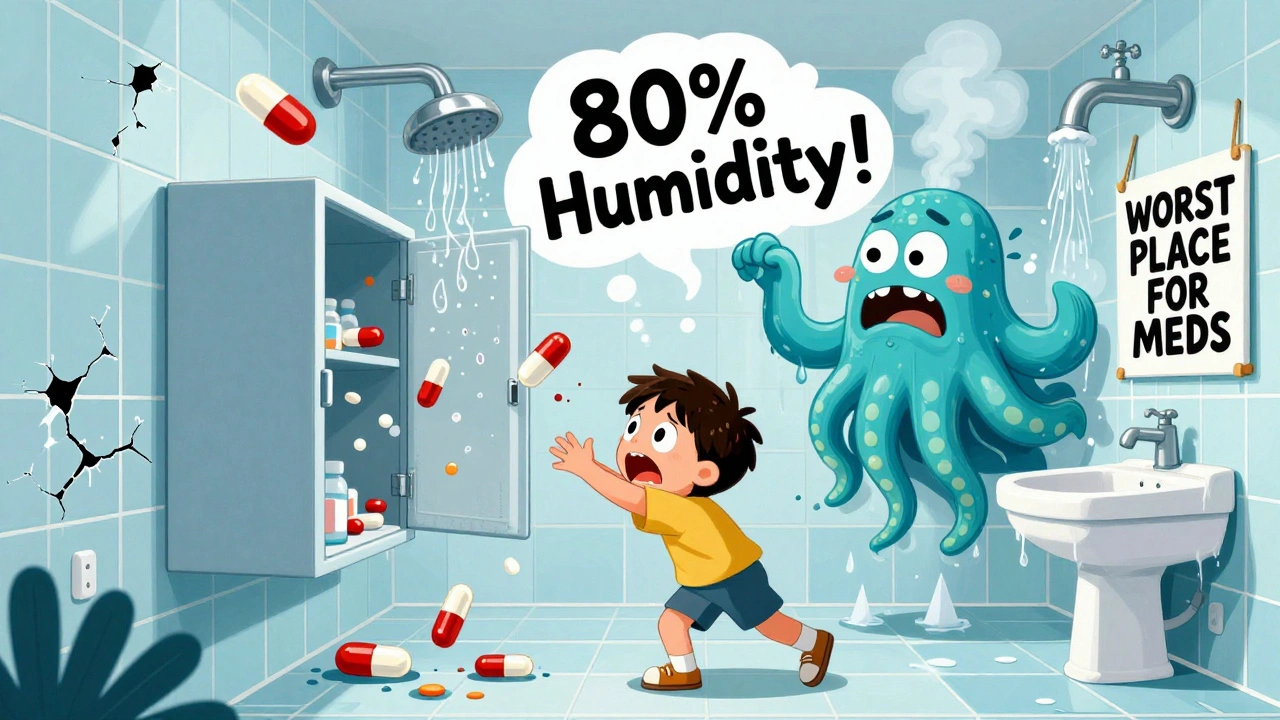
Medication safety, the practice of handling drugs to avoid harm. Also known as drug safety, it starts the moment you bring a prescription home. Many people don’t realize that heat, moisture, and light can break down active ingredients. Insulin, for example, loses potency if left unrefrigerated past its opening date. Antibiotics like amoxicillin suspension go bad in just 14 days if not kept cold. Even your favorite painkiller can become less effective—or worse, toxic—if stored in a steamy bathroom or a car during summer. That’s why the best place for most meds isn’t the medicine cabinet—it’s a cool, dry drawer, away from sinks and windows.
Refrigerate medications, a critical step for certain drugs that degrade at room temperature. Also known as cold chain storage, this isn’t optional for insulin, some antibiotics, or eye drops. But don’t just toss them in the fridge anywhere—keep them away from the freezer and in a sealed container to avoid condensation. Moisture ruins tablets and capsules faster than you think. And if you have kids or roommates, a locked medicine cabinet isn’t a luxury—it’s a necessity. Over 60,000 emergency room visits each year happen because someone took the wrong pill by accident. That’s preventable. You don’t need fancy gear. A simple plastic bin with a latch, tucked under a bed or behind a door, does the job.
And it’s not just about keeping meds out of reach—it’s about keeping them right. Old prescriptions? Don’t just toss them in the trash. Flushing them pollutes water. Leaving them lying around invites misuse. Use a drug take-back program or follow FDA guidelines to destroy labels and dispose of them safely. Your privacy matters too—your name, dosage, and condition shouldn’t be readable on a discarded bottle.
Whether you’re managing diabetes, heart meds, or just keeping ibuprofen on hand, how you store your drugs affects your health more than you know. These aren’t abstract rules—they’re real, daily choices that keep your treatments working and your family protected. Below, you’ll find real-life advice from people who’ve learned the hard way: what works, what doesn’t, and what no one tells you until it’s too late.
How to Create a Home Medication Storage Checklist for Safety and Effectiveness
Haig Sandavol Dec 8 10Learn how to create a home medication storage checklist that prevents accidental poisonings, keeps drugs effective, and protects kids and seniors. Follow expert-backed steps for safe storage, expiration tracking, and proper disposal.
More Detail